Asking for Google Reviews Without Feeling Awkward

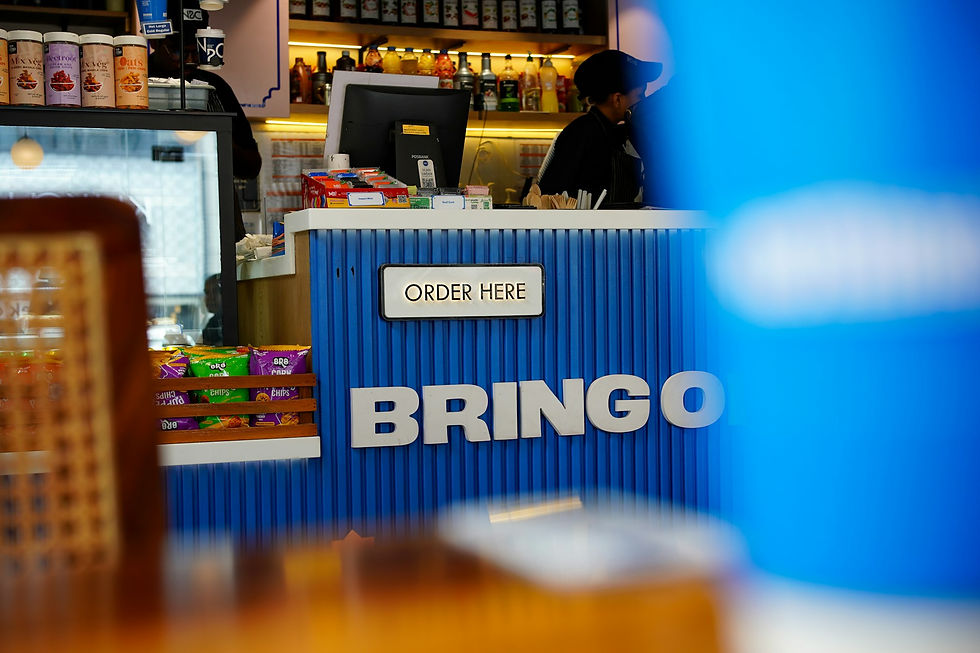
Short answer: the awkwardness almost never comes from the act of asking. It comes from not having the words ready. I have watched good baristas, genuinely warm, good with people all shift long, go completely stiff the second a manager tells them to start asking for reviews, because nobody ever gave them an actual sentence to say. Fix that one thing and most of the discomfort goes with it.
I run the coffee side of Hillcane, and this is one of those pieces of advice that sounds almost too simple to write a whole post about, except that I keep meeting owners who have never actually sat down and written the words out. This post gives you four natural lines for different moments at the register, a short list of phrases to leave out entirely, and a way to practice them with your team in one sitting, so a script can be at the register the same day.
One thing up front: Google allows a business to ask customers for reviews, but it does not allow certain things around that ask, like only asking customers you think will leave a good review, or offering anything in exchange for one. This post stays inside those lines the whole way through, and it links out to a fuller policy explainer rather than repeating every detail of it here.
I want to say something else before getting into the lines themselves. A lot of the advice out there about reviews treats them purely as a marketing lever, a number to grow, a metric on a dashboard somewhere. That is not wrong exactly, reviews genuinely help people find a shop worth trying. But if the only reason your staff is asking is because a number needs to go up, that pressure comes through in how it gets asked, and customers can tell. The version that actually works treats a review the way it really is: someone taking thirty seconds to say something kind in public about a place they already like. That is worth asking for honestly, not chasing anxiously.
Timing: When the Ask Actually Lands
The moment matters as much as the words. Asking mid rush, while three people are waiting behind the customer you are talking to, reads as an interruption no matter how nicely it is phrased. The natural windows are quieter ones: handing off a drink at the end of a slower transaction, a regular finishing up and clearly not in a hurry, someone picking up a gift card or a bag of beans who has already said something kind about the place.
A good rule of thumb is to ask only when you would naturally keep talking to that person anyway. If the conversation is already relaxed, adding one more sentence feels like part of it. If the conversation is transactional and quick because the line is long, adding a review ask on top of that just makes the whole interaction feel longer and more awkward than it needed to be.
It is also worth noticing who is a good moment for a specific reason, not just a slow moment in general. Someone who just complimented the coffee, someone who mentioned they are visiting from out of town and loved finding the place, someone who has clearly been coming in for months and finally said so out loud, these are natural openings a script did not create. The script is just there for what to say once that opening exists.
It is worth trusting your staff's own read of a room here, more than a rigid rule about time of day or day of the week. A barista who has been on the floor an hour already knows, without being told, which conversations have room in them for one more sentence and which ones do not. That instinct is worth more than any formal guideline about when to ask, and it is part of why this whole approach leans on giving people the right words rather than a strict schedule for when to say them.
Scripts: Four Lines That Actually Sound Like a Person
Here are four lines, each under ten seconds to say, built for four different moments. Say them the way you would talk, not the way they are printed here. The words matter less than the tone underneath them, which should sound like an honest ask from someone who cares whether the place does well, not a script being read off a card.
For a regular who has clearly been coming in a while: We really appreciate you coming in as much as you do. If you ever have a minute, a Google review helps people like you find us. For someone who just complimented the coffee or the space out loud: I'm glad you liked it. If you get a second later, a quick Google review would mean a lot to us. For a gift purchase or takeaway order, where the interaction is warmer but briefer: Hope they love it. If you're ever willing, a Google review helps a small shop like ours more than people realize. For a visitor who mentioned they found you through a search or a map: Glad you found us. If the search worked out well for you, leaving a quick review helps the next person find us the same way.
None of these four lines mentions anything in return. None of them target only customers who seem happy in a way that filters out anyone who might leave a mixed review. That is not an accident. It is the line every one of these was checked against before making the list.
Notice, too, that every line uses if you ever have a minute, if you get a second, if you're ever willing. That soft framing is not just politeness, though it is that too. It gives the customer a genuine, easy way to say no without either of you feeling awkward about it, which paradoxically makes people more comfortable saying yes. An ask with no exit built into it starts to feel like an obligation, and obligation is exactly the feeling this whole approach is trying to avoid.
What to Avoid
Google's Business Profile guidance on getting more reviews is direct about this, and it is worth saying plainly rather than assuming everyone already knows the rules. A business can ask customers for reviews. It cannot offer anything in exchange for one, a discount, a free item, an entry into a giveaway, since that turns a review into a transaction rather than an honest opinion. It also cannot selectively ask only the customers it expects to leave a positive review while skipping anyone who seemed less satisfied, a practice generally described as review gating, which Google's Maps user contributed content policy treats as a real violation, not a gray area.
That second rule is the one that trips up well meaning owners most often, because it can look reasonable from the inside. Only asking your happiest looking customers feels like common sense, not manipulation. But the rule is not about intent. It is about the review pool ending up skewed because certain customers were never given the chance to be asked in the same way as everyone else. The honest version is simple: the ask, or the invitation to ask, should be offered the same way regardless of how the visit seemed to go.
Beyond the policy line itself, there is a tone line worth respecting too. Avoid anything that sounds like pressure, repeating the ask to the same customer on their next visit if they did not follow through the first time, or adding a note to a receipt that reads more like a demand than an invitation. A single honest ask, said once, in a natural moment, is the whole method. It does not need reinforcement to work, and pushing harder tends to make a customer less likely to follow through, not more.
It is also worth staying away from language that implies a review is owed, phrases like you should really leave us a review or we deserve five stars. Those lines might come from a genuine, warm place, but they shift the ask from an invitation into something closer to a demand, and customers can feel that shift even when it is unintentional. The four lines above are built specifically around the word if, an offer the customer is free to decline, rather than a request that assumes they already owe you something for a good cup of coffee.
Training Your Team in One Sitting
You do not need a formal training program for this. A single short meeting, or even five minutes during a slower stretch of a shift, is enough to get a team comfortable. Read the four lines above out loud together. Have each person say the one or two that feel most natural to their own voice, since not every line will sound right coming from every person, and that is fine. The goal is not memorizing a script word for word. It is having something ready so the moment does not catch anyone off guard.
A useful trick is to have each barista pick their own favorite version of one line and adjust the wording slightly until it sounds like something they would say out loud to a friend, not something printed on a card. A line that feels natural coming out of one person's mouth can feel stiff coming out of someone else's, and that difference matters more than getting the exact wording identical across the whole team.
If you want to check whether a line lands, practice it on a coworker first, before ever trying it on a real customer. Say it out loud, listen to how it sounds, and adjust anything that feels stilted. This costs nothing and takes less time than most owners assume, and it catches the awkward phrasing before it ever reaches a paying customer instead of after.
It also helps to say plainly, as the owner or shift lead, that nobody has to ask every single customer, and nobody should feel bad on a day when it never came up naturally. This is not a quota. It is a tool that exists for the moments when it fits, and treating it that way is part of what keeps it from turning into the same awkward, forced interaction this whole post is trying to avoid in the first place.
One last thing worth saying to your team directly: this is not about chasing a number. It is about giving happy customers, the ones already telling you out loud that they love the place, an easy way to say so somewhere that helps the shop. Framed that way, most people find it is not awkward at all. It is just passing along something kind that was already being said in the room, out loud, to a stranger who might be looking for exactly the place they just found.
Related Reading
More from Hillcane on this topic, plus the pages on the site that sit next to the work.
Frequently Asked Questions
Is it against Google's rules to ask customers for a review?
No, asking is allowed. Google's Business Profile help page on getting more reviews, accessed September 21, 2026, permits a business to invite customers to leave one. Two things around the ask are not allowed: offering anything in exchange, such as a discount, free item, or giveaway entry, and asking only the customers you expect to be happy while skipping others. That second practice, usually called review gating, is treated as a real violation under Google's Maps user contributed content policy, not a gray area.
What is review gating and why does it matter?
Review gating means selectively asking only customers who seem likely to leave a positive review while skipping others. Google's policy treats this as a real violation, not a minor issue, because it skews the review pool rather than reflecting an honest cross section of customer experiences. The fix is offering the same invitation to everyone in a similar moment, regardless of how the visit seemed to go.
Can a coffee shop offer a discount for leaving a Google review?
No. A discount, a free item, or a giveaway entry in exchange for a review turns an honest opinion into a transaction, which Google's guidance on getting more reviews, accessed September 21, 2026, rules out. All four sample lines in this post mention nothing in return, and each was checked against that policy before making the list. The honest version is a single invitation, framed with an easy out like if you ever have a minute, offered the same way whether a visit seemed great or merely fine.
When is the best moment to ask a customer for a review?
The best moments are naturally unhurried ones, the end of a relaxed conversation, a regular who has clearly been coming for a while, someone who just complimented the coffee or the space out loud. Asking during a rush, with a line waiting, tends to feel like an interruption regardless of how nicely it is phrased.
Should every barista use the exact same words when asking for a review?
Not necessarily. A line that sounds warm from one barista can sound stiff from another, and tone matters more than identical wording. In training, read the four sample lines aloud, let each person pick the one or two that fit their voice, and have them adjust the wording until it sounds like something they would say to a friend. What must stay the same for everyone is the policy: nothing offered in return, and the invitation available to every customer rather than only the happy ones.
How long should a review ask take at the register?
Each of the four sample lines is built to take under ten seconds, one natural sentence added to a conversation already underway, not a separate interaction. Timing does as much work as length. Ask during quieter moments, such as a slow drink handoff, a relaxed regular finishing up, or someone buying a gift card or a bag of beans who has already said something kind. Skip it mid rush with three people waiting, since even a ten second ask then reads as an interruption.
Should staff ask the same customer again if they didn't leave a review the first time?
No. One honest ask, said once in a natural moment, is the whole method. Asking the same customer again on a later visit, or adding a receipt note that reads like a demand, shifts the invitation into pressure, and pressure makes people less likely to follow through. Avoid phrases like you should really leave us a review or we deserve five stars for the same reason. Every sample line here is built around the word if, which leaves the customer free to decline.
Is there data showing how many customers leave a review after being asked?
This post includes no response rate, and it deliberately avoids inventing one. No dataset measuring how often an ask turns into a review was available for this research, so the scripts are presented as drafted and checked against Google's policy, not as tested with a claimed success rate. The honest approach is to treat the four lines as a method to try in your own shop, then track your review count month by month to see what changes after your team starts using them.
Do baristas need a formal training session to learn these scripts?
No. A short conversation, even five minutes during a slower stretch of a shift, is usually enough. Read the four sample lines aloud together, let each barista adjust one until it sounds like their own voice, and have them practice it on a coworker before trying it on a customer. Saying it out loud first catches stilted phrasing before a paying customer hears it. That quick rehearsal builds comfort faster than a longer, formal session, and the script can be at the register the same day.
What should an owner say to a team that feels uncomfortable asking for reviews?
Say plainly that it is not a quota, nobody has to ask every customer, and a day when it never came up naturally is fine. Frame the ask as a tool for moments that already fit, like a customer who just complimented the coffee or a visitor who mentioned finding you on a map. Remind the team the real point: giving happy customers an easy way to say publicly what they are already saying out loud, which takes them about thirty seconds.
Work with Hillcane
The awkwardness of asking for a Google review is almost never about the asking. It is about not having the words ready. Give a barista four honest lines and the discomfort mostly disappears.
If you want help building out your cafe's full review and reputation approach beyond just the ask, reach Hillcane at hillcane.co/contact or call (256) 384-2449.



Comments