What Riverfront Tourism Means for a Chattanooga Coffee Shop

Updated: 10 hours ago

Chattanooga's riverfront and Lookout Mountain draw a steady stream of visitors year round, and a meaningful share of any given day's coffee customers in St. Elmo or downtown are people encountering this city for the very first time. That reality shapes daily rhythm in these neighborhoods in a real, specific way.
It is easy to think of tourism as something that happens to a city's hotels, restaurants, and attractions, with coffee shops sitting somewhat outside that picture. In a river town and mountain gateway like Chattanooga, that separation does not really hold. A cafe near the riverfront or at the base of the mountain is, in a very real sense, part of the tourism infrastructure whether it markets itself that way or not.
This post looks honestly at what that actually means day to day for a Chattanooga cafe, and makes the case that this tourist facing skill deserves to be named, valued, and represented online with the same seriousness given to any other part of running the business.
A Genuine Tourist Overlay
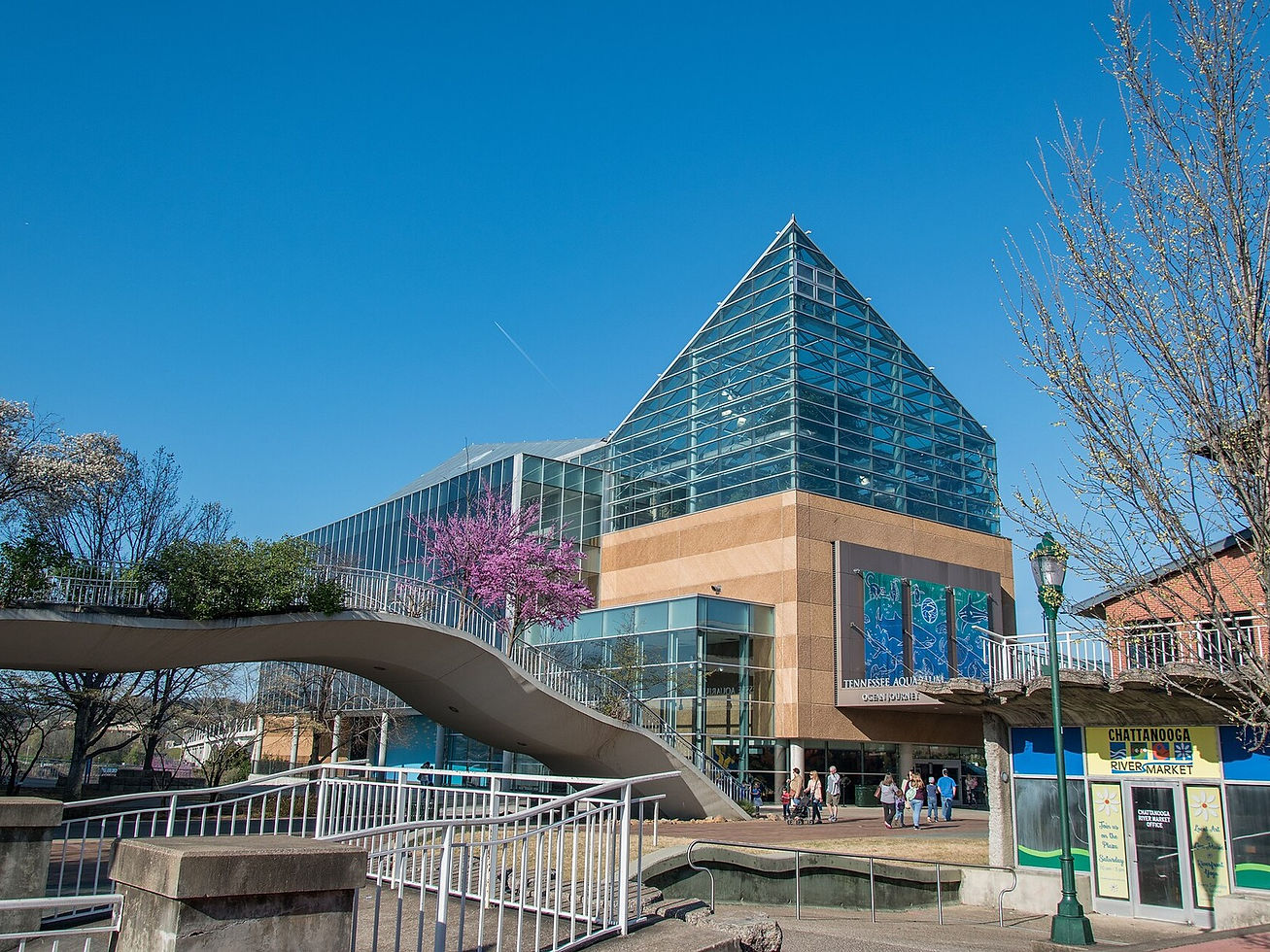
The riverfront area, including the Tennessee Aquarium and Ross's Landing, along with Warehouse Row and Lookout Mountain, form a real tourist heavy overlay sitting on top of Chattanooga's more compact independent coffee bench. This overlay is a genuine, year round part of daily business for cafes in these specific areas.
It is worth naming exactly why this overlay exists in the first place. The Tennessee Aquarium alone draws a steady, significant flow of visitors from well beyond the immediate region, and Lookout Mountain's Incline Railway does the same from a different direction entirely. Together, these two anchors create a genuinely reliable, non seasonal stream of first time visitors passing through the neighborhoods where several of the city's cafes happen to sit.
That reliability is genuinely valuable for a small business, since it means a cafe in one of these neighborhoods is not purely dependent on local population or local economic conditions the way a cafe in a more residential part of the city might be. Some meaningful share of demand arrives from well outside the city itself, on a steady basis, regardless of what else is happening locally.
What This Means for Daily Rhythm
Explaining a local roast to someone who has never heard of it before, pointing a first timer toward the Incline or the riverwalk next, and keeping hours and location information accurate for someone searching from a hotel room that same night are all real, recurring parts of running a cafe in this kind of neighborhood.
None of these tasks show up on a typical job description for a barista, and yet they happen constantly in a neighborhood like this one, often multiple times in a single morning shift. Recognizing them as a real, distinct skill set, separate from simply making good espresso, is part of what it means to take this tourist facing work seriously rather than treating it as an unplanned interruption to the real job.
A shift lead who understands this explicitly can also coach newer staff on it directly, turning what might otherwise be an unspoken, unevenly practiced skill into something the whole team handles consistently well, regardless of who happens to be behind the counter on a given morning.
Hospitality, Not a Distraction
This tourist facing skill is its own kind of hospitality, worth being proud of rather than treating as a distraction from serving regulars. A cafe that handles a first time visitor well is doing something genuinely valuable, distinct from but just as important as the regular, familiar service given to a longtime customer.
Framing it this way matters because language shapes how staff actually treat the task in practice. A team that thinks of tourist interactions as a distraction from the real work will treat them that way, rushed and impersonal. A team that recognizes this as a genuine, valuable skill worth doing well tends to bring real attention and care to it instead.
Where the Search Traffic Actually Goes
Much of the search activity tied to this tourist overlay currently lands on Visit Chattanooga's own guides and general listicles, rather than on any specific cafe's own page. Most cafe websites audited in this research are built primarily as simple online stores, without a dedicated riverfront or Lookout Mountain neighborhood page of their own.
That gap means the actual, in person hospitality skill described throughout this post, the patient explanation, the genuine local recommendation, currently has no online counterpart. A visitor researching before their trip finds only generic tourism content, never a hint of the specific, personal experience waiting for them at an actual cafe counter once they arrive.
It is worth being fair to Visit Chattanooga here as well, since its guides serve a real, legitimate purpose for the city as a whole, helping visitors plan their trip broadly. The issue is not that this content exists. It is that nothing currently exists alongside it representing the specific, personal hospitality experience an actual cafe provides once a visitor arrives.
What a Page Built Around This Overlay Would Actually Say
A page built specifically around this tourist overlay could describe exactly what makes a cafe near the riverfront or the mountain worth visiting for a first time guest: proximity to the Aquarium or the Incline, a welcoming approach to visitors trying local coffee for the first time, and practical details like hours that account for tourist heavy weekend traffic.
That kind of page does more than inform. It signals, before a visitor even arrives, that this cafe already understands and welcomes exactly the kind of guest they are about to be, which is a small but genuine form of hospitality extended before any actual interaction takes place.
Why This Deserves the Same Attention as Any Other Business Skill
A cafe that trains its staff carefully on espresso technique, or invests real thought into its pastry case, is making a clear statement about what it values. This post argues the same level of intentional attention is worth extending to tourist facing hospitality, given how frequently it actually occurs in a neighborhood like St. Elmo or downtown Chattanooga.
That does not mean building an elaborate formal program. It means simply recognizing, out loud, that this is a real and valuable skill already being practiced daily, and giving it the same respect given to any other craft the business already takes seriously.
St. Elmo and Downtown, Two Versions of the Same Overlay
It is worth being specific about how this overlay plays out slightly differently in each of the two neighborhoods most affected by it. St. Elmo's version is shaped by hikers and Incline riders, often dressed for the outdoors, looking for a quick, satisfying stop before or after physical activity. Downtown's version is shaped by riverfront visitors coming from the Aquarium or Ross's Landing, often moving at a more leisurely, sightseeing pace.
Those are subtly different kinds of visitors with subtly different needs, even though both fall under the same broad tourist overlay described throughout this post. A cafe in either neighborhood benefits from understanding which specific version of this pattern applies to its own location, rather than treating tourist traffic as one undifferentiated category.
A cafe with a genuinely strong tourist facing culture, one where staff take real pride in welcoming first time visitors well, has something worth communicating clearly, both internally to reinforce that culture and externally so a prospective visitor knows what kind of welcome to expect.
The Year Round Nature of This Pattern
It is worth emphasizing that this is a year round pattern, not a narrow summer season phenomenon. The Aquarium and the Incline both operate across all four seasons, which means the tourist overlay described in this post is a consistent, ongoing part of daily business in these neighborhoods rather than a temporary summer surge to plan around and then forget until next year.
That year round consistency is exactly what makes investing real, ongoing attention in this hospitality skill worthwhile, rather than treating it as a seasonal inconvenience. A skill practiced and refined every day of the year, rather than only during a few peak summer weeks, has more room to genuinely improve over time.
Read together with those companion posts, the picture that emerges is not one of a coffee scene struggling to be found. It is one of a genuinely warm, capable hospitality culture that simply has not yet found the words, online, to describe what it already does so well in person every single day.
What Gets Lost When This Goes Unnamed
When a cafe never explicitly names or describes this tourist facing skill, whether internally to staff or externally on its own website, something real gets lost. Staff may never fully recognize how much value they are already creating in these interactions, and visitors researching before their trip never get a hint that this specific, welcoming experience is waiting for them.
Naming it plainly, the way this post has tried to do, is a small act with real consequences. It turns an unrecognized, informal skill into something a business can intentionally develop, celebrate internally, and eventually represent clearly online.
Bringing This Back to the Website Gap
The website gap described earlier in this post is not a separate problem from the daily hospitality work happening at the counter. It is the missing online reflection of exactly that same skill, the thing that would let a visitor researching from home get a preview of the same warm, informed welcome waiting for them once they actually arrive.
Closing that gap does not require inventing anything new about the business. It requires describing, plainly and specifically, a hospitality skill that already exists and is already being practiced daily in cafes across St. Elmo and downtown Chattanooga.
That is the closing thought worth carrying forward from this piece specifically: the words are the missing piece, not the hospitality itself, and finding them is well within reach for any Chattanooga cafe ready to describe what it already does so well.
A Note on What This Post Does Not Claim
This post deliberately avoids inventing specific visitor counts for the Aquarium, Ross's Landing, or the Incline, since no such figures were verified as part of this research. The argument here does not depend on a precise number. It depends on the plainly observable, well documented fact that these are real, significant, year round attractions drawing a steady stream of first time visitors into neighborhoods where cafes already operate.
Avoiding invented statistics here is consistent with how this entire research project handles every claim it makes. A real, qualitative pattern, described honestly, holds up better over time than a specific number that was never actually verified and could later be shown to be inaccurate.
Why This Post Belongs Alongside the Rest of This Cluster
This piece is best read alongside the other posts in this Chattanooga cluster, particularly the ones addressing St. Elmo's landmark proximity and the practice of turning a day tripper into a regular. Together, they build a fuller picture of exactly how tourism, hospitality, and search visibility connect for a Chattanooga cafe sitting near a major attraction.
No single post in this cluster tells the whole story on its own. This one focuses specifically on naming the tourist overlay as a real, year round pattern worth taking seriously, setting up the more specific, practical recommendations covered in the posts that sit alongside it.
Related Reading
More from this Hillcane city series, plus the pages on the site that sit next to the work.
Southside, North Shore, St. Elmo, Downtown: Chattanooga Coffee Map
St. Elmo Coffee Sits in Lookout Mountain's Shadow in Chattanooga
Southside and North Shore Are Not the Same Chattanooga Search
Three Scooter's, a 7 Brew, and a Dutch Bros: Chattanooga Chain Math
What Chattanooga's SBDC and Chamber Incubator Actually Offer a Cafe Owner
The Chattanooga Cafe Already Winning Discovery, Not on Its Own Site
The Roaster That Writes: What 65 Real Blog Posts Looks Like in Chattanooga
Turning a Lookout Mountain Day Tripper Into a Chattanooga Regular
How to Check What Google Maps Shows for Your Chattanooga Coffee Shop
Frequently Asked Questions
Why do St. Elmo and downtown Chattanooga cafes see so many first time visitors?
Both neighborhoods sit close to major tourist draws, Lookout Mountain and its Incline Railway near St. Elmo and the riverfront and Warehouse Row district downtown near the Tennessee Aquarium and Ross's Landing, which bring a steady stream of visitors throughout the year regardless of season. That landmark proximity shapes daily foot traffic differently than in a purely residential Chattanooga neighborhood.
Is this tourist traffic a distraction from serving local regulars?
No. Tourist facing hospitality is its own valuable skill, distinct from but equally important as serving the regulars who visit Sleepyhead, Mean Mug, or Goodman on an ordinary weekday. Neither audience should come at the expense of the other, and a cafe near a landmark like the Incline or the riverfront has to genuinely serve both well.
What kind of daily tasks come with serving first time visitors?
Explaining unfamiliar local roasts to someone new to specialty coffee entirely, recommending nearby things to do next on Lookout Mountain or along the riverfront that day, and keeping accurate, up to date hours and information for visitors who search again later that same evening from a hotel room or a different part of the city.
Who currently answers search traffic tied to Chattanooga's tourism?
Largely Visit Chattanooga's own guides and a stack of general listicles, rather than the coffee shops' own websites near the riverfront, Warehouse Row, or the Lookout Mountain Incline itself answering these searches directly. That means a visitor's tourism focused search rarely lands directly on a specific cafe's own page describing what makes that particular stop worth visiting today.
Do most Chattanooga cafe websites have dedicated pages for tourist areas like the riverfront?
No. Most audited cafe websites function primarily as simple online stores or brochure sites without a specific riverfront, Warehouse Row, or Lookout Mountain neighborhood page describing that particular tourist area in any real depth at all. That absence leaves real, documented search traffic currently unanswered by any of the actual cafes sitting closest to these landmarks.
Does this research include specific visitor count figures for the aquarium or bridge?
No. This piece intentionally avoids inventing specific visitor volume figures for the Tennessee Aquarium, the Walnut Street Bridge, or the Lookout Mountain Incline itself, focusing instead on the real, documented pattern of tourist driven search behavior near these landmarks rather than a precise number that this research never actually verified directly through its own methods.
Is the riverfront tourist overlay a year round pattern or seasonal?
It is described as a year round pattern in this research, not limited to a specific season like summer or the Coffee Week and Holiday Coffee Trail events described elsewhere in this cluster. Riverfront and Warehouse Row cafes near the Tennessee Aquarium see this tourist rhythm continuing across the calendar rather than spiking only during a single peak stretch.
Could a dedicated tourist facing page help a cafe capture more of this search traffic?
It represents a real, currently underused opportunity, since much of this search traffic currently lands on Visit Chattanooga's guides and general listicles rather than any specific cafe's own page describing the riverfront, Warehouse Row, or Lookout Mountain directly by name. Building that page does not guarantee a specific outcome, but it closes a documented, real gap in how these visitors currently search.
Does this pattern apply equally to St. Elmo and downtown?
Both areas sit within this broader tourist overlay, though each carries its own specific landmark and neighborhood character, St. Elmo built around the Lookout Mountain Incline and downtown built around the riverfront, the Tennessee Aquarium, and Warehouse Row nearby. A page written for one should name that area's own specific landmarks rather than a shared, generic description of Chattanooga.
How can Hillcane help a cafe build a page for this kind of tourist search traffic?
Hillcane can build a dedicated page that speaks to a cafe's specific tourist facing neighborhood, whether that is the riverfront near the Tennessee Aquarium, Warehouse Row downtown, or Lookout Mountain near the Incline station itself. Reach out at hillcane.co/contact or call (256) 384-2449 to talk through what that page would actually say for your own cafe.
Work with Hillcane
Explaining your local roast to a first time visitor is its own kind of hospitality. It deserves its own page online too.
If your Chattanooga coffee shop wants a page built for its real tourist traffic, reach Hillcane at hillcane.co/contact or call (256) 384-2449.
Reach out at hillcane.co or (256) 384-2449.


Comments