
Forty Eight Hours From Roast to Cup, Inside a Bike Shop on West End Avenue

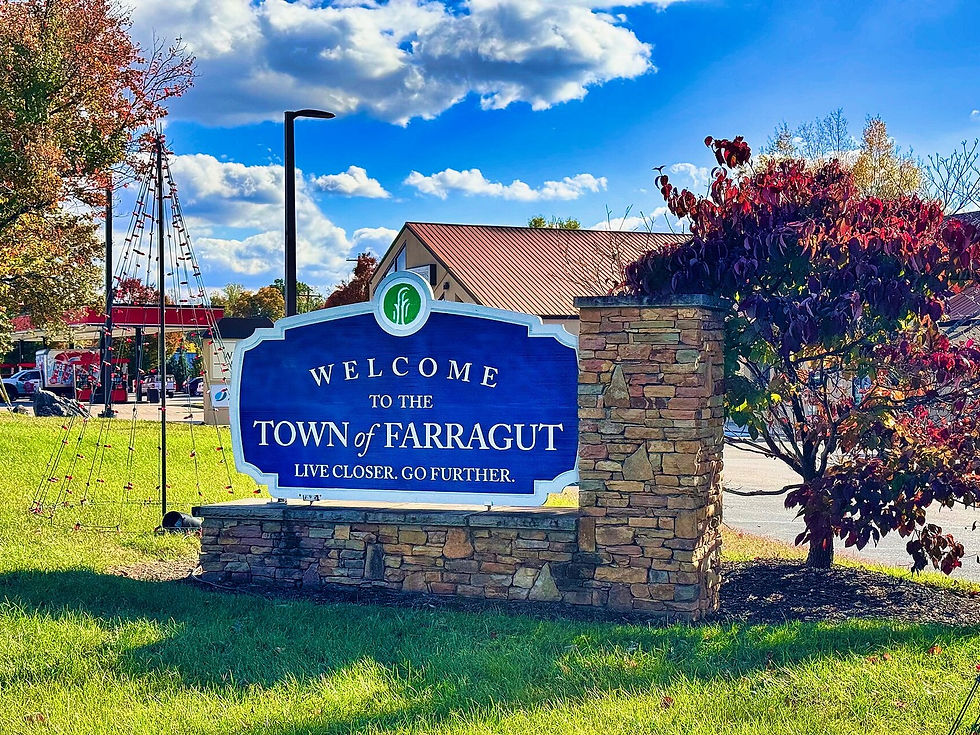
There is a specific kind of coffee story that gets told a hundred times a year in bigger cities and almost never gets told at all in a town the size of Farragut. It is the story of a founder, a real supply relationship, and a timeline that actually matters to the cup, roast date to brew date, measured in hours rather than a vague claim about freshness. Farragut has exactly one shop with that story, and right now it is buried on the bike shop's own article page instead of having a real home online.
Andrew Ingram opened Reef Coffee in October 2025, on West End Avenue, sharing a building with Hurricane Cycles. The beans come from Vienna Coffee Company, a roaster based in nearby Maryville, and they make it into a cup roughly forty eight hours after roasting. The coffee is served in mugs from a local pottery studio, a detail that turns an ordinary cup into something that was actually made, twice over, by people working within a short drive of where it gets served.
That is a genuinely good story, told plainly, with real specifics instead of vague marketing language. It deserves better than living entirely on someone else's website.
I am Jacob. This is a coffee story first, and a website story second. Farragut is its own town along Kingston Pike, not a Knoxville annex, and it has exactly one independent specialty cafe doing this kind of work. The cup is the reason to care. The missing page is the reason the cup is still harder to find than it should be.
I am not going to dress that up as a scene. One shop inside a bike shop is one shop inside a bike shop. What makes it worth a full telling is the chain of real names attached to it: Andrew Ingram, Reef Coffee, Hurricane Cycles, West End Avenue, Vienna Coffee Company in Maryville, a roughly forty eight hour roast to cup window, and mugs from a local pottery studio. Those are the facts. The rest of this post stays with them.
Who Andrew Ingram Is Building Here
Opening a coffee shop inside another small business's building is a specific kind of decision, one that trades a standalone identity for a faster, lower risk path to actually opening the doors. Andrew Ingram made that decision in October 2025, choosing to build Reef Coffee inside Hurricane Cycles rather than waiting for a freestanding location to become available or affordable. That is a practical, grounded way to start a specialty coffee business, not a compromise to apologize for.
It also means the story of Reef Coffee is inseparable, at least for now, from the story of the bike shop it lives inside. Customers walking in for a bike tune up discover the coffee counter. Customers walking in for coffee discover the bike shop. That kind of cross pollination is a real advantage for a business this young, even as it creates the separate challenge of making sure Reef Coffee is understood as its own thing with its own name.
A bike shop cafe is easy to misunderstand from the outside. People hear shared space and assume the coffee is an accessory. Reef Coffee is a specialty cafe that happens to share walls with Hurricane Cycles. The bike shop is a real host and a real source of foot traffic. The coffee counter is still its own craft, with its own supplier and its own reason to visit even if you never need a tune up.
That combination is more common than specialty coffee writing likes to admit, and it is more interesting than a blank storefront with a new logo on the glass. You walk in for one errand and you stay for the other. The job, once the doors are open, is to let both businesses stay themselves instead of blurring into a single unnamed counter.
A Roast to Cup Timeline That Actually Means Something
Roughly forty eight hours from roast to cup is not a marketing slogan, it is a specific, verifiable claim about how fresh the coffee actually is by the time it reaches a customer. Vienna Coffee Company roasts in Maryville, close enough to Farragut that a bag can travel from roaster to counter in about two days rather than the week or more that beans often sit in transit and storage before reaching a shop further from their roaster.
For a coffee drinker who actually cares about what freshness does to flavor, that timeline is the kind of detail that changes a decision about where to get a cup. Coffee loses aromatic compounds steadily after roasting, which is part of why baristas and roasters talk about a peak window, typically the first couple of weeks after roasting, and why a bag that has been sitting for a month tastes flatter than one that just came off the roaster. A forty eight hour timeline puts Reef Coffee's coffee close to the freshest end of what is realistically achievable for a shop that is not roasting in house.
This is exactly the kind of specific, factual detail that makes a local coffee story worth telling, because it is not a vague claim anyone could make. It is a real supply chain fact, tied to a real roaster forty minutes or so down the road, and it gives a customer an actual reason to choose this shop over a bag of beans that traveled further and sat longer.
Maryville is not Farragut, and that distance is part of why the timeline is impressive rather than automatic. Vienna Coffee Company roasts in Maryville. Reef Coffee pours in Farragut. The beans still arrive in about two days. A shop that far from its roaster, relatively speaking for East Tennessee, could easily treat freshness as a vibe. This one treats it as a number of hours.
I care about that because most freshness language on coffee menus is interchangeable. Freshly roasted could mean last week or last month depending on who is talking. Forty eight hours is a claim you can check against a roast date. It is also a claim that only works because the roaster is close enough for the logistics to be ordinary rather than heroic. Ordinary logistics, done on purpose, is how good coffee actually stays good.
The Mugs Matter More Than They Sound Like They Should
Serving coffee in mugs sourced from a local pottery studio is a small detail on paper and a bigger one in practice. It means the physical object a customer holds while drinking their coffee was also made by hand, locally, rather than ordered in bulk from a restaurant supply catalog. That doubles down on the same instinct that drives the roast timeline, an emphasis on things being made close by, recently, by someone whose name could be attached to the work.
For a shop trying to establish its own identity while sharing a building with a bike shop, details like this do real work. They are specific enough to be memorable, and they are the kind of thing a customer mentions to a friend, which is exactly the kind of organic, word of mouth marketing that a brand new business needs most in its first year.
A mug from a local pottery studio is not a gimmick if the rest of the shop is already built around things made nearby. It matches the roast timeline. It matches the decision to open inside another local business instead of a replica of a city cafe. A customer notices the weight of the cup even if they never ask who made it. A friend they bring next week might ask. That is how a young shop gets remembered without a billboard.
None of this requires Reef Coffee to become a gift shop. It requires the shop to keep saying the true small things out loud, on a page it owns, so the story is not trapped in a caption on someone else's site.
Why This Story Currently Lives on the Wrong Website
As things stand, the fullest telling of Reef Coffee's origin, the bike shop partnership, the roast timeline, the local pottery, exists mostly on Hurricane Cycles' own article page rather than on any page that belongs to Reef Coffee itself. That is a completely understandable outcome for a business this young, sharing a building and, evidently, some of its early storytelling with its host. It is also a real gap.
A story this specific and this well suited to search, real names, a real timeline, a real regional supply chain, is exactly the kind of content that should have its own home, with its own page, findable on its own terms rather than as a footnote inside another business's site. Right now, anyone searching for Reef Coffee directly is more likely to land on a bike shop's blog post than on anything Reef Coffee built and controls itself.
That is fixable, and it does not require reinventing the story. The facts already exist: a founder's name, an opening date, a supplier, a timeline, a detail about the mugs. What is missing is simply a page that belongs to the coffee shop itself, telling that same story in its own voice, with its own name clearly attached to it.
I want to say this carefully, because sharing a building is a smart way to open, and Hurricane Cycles hosting that story early is a generous, practical thing. The gap is ownership of the telling, not a failure of either business. A bike shop article can introduce the cafe to people who already care about bikes. It cannot be the only durable home for a coffee shop's own name, hours, supplier, and roast window.
Search engines and answer tools are blunt about this. They quote what they can find. If the fullest paragraph lives on a bike shop URL, that is the paragraph that gets reused. Moving the same facts onto a Reef Coffee page does not invent a new story. It puts the story where a coffee searcher can actually keep it.
What a Story Like This Is Worth Once It Has a Real Home
A roast to cup timeline this specific, a founder this identifiable, and a supply relationship this local are exactly the ingredients that make a coffee shop's own page rank and read well, both for a human reader deciding where to get coffee and for the kind of AI powered search summaries that increasingly pull from a business's own first party content rather than secondhand mentions. Right now, none of that material is doing its full job, because it is not living where it should.
Once it is, the story does not need embellishment. It needs a real home, told in Reef Coffee's own words, with its own name in the headline instead of a bike shop's.
Once the page exists, the shop can keep it current. Hours change. A pottery maker might change. A roast window stays a roast window only if the supply still works that way. A first party page can absorb those updates. A host article from opening month cannot. That is the practical reason to move the story, not a branding lecture.
Why Roast Date Matters More Than Most Customers Realize
Most coffee drinkers have never been handed a roast date at the register, because most shops, and most grocery store bags, simply do not make that information easy to find. That makes a shop willing to talk specifically about a roughly forty eight hour roast to cup window unusual in a good way. It is one thing to say coffee is fresh. It is another to say, specifically, that the beans in this cup were roasted about two days ago at a named roaster a short drive from here, and to be able to back that up.
That specificity is worth more to a search engine, and to a careful reader, than a dozen vaguer claims about quality would be. Vague claims are interchangeable between any coffee shop anywhere. A named roaster, a real town, and a real number of hours are not interchangeable. They describe one specific supply chain, for one specific shop, and that is exactly the kind of detail that makes local content feel true rather than templated.
If you have ever bought a grocery bag with no roast date, you already know the other end of this spectrum. The coffee might be fine. You have no way to know where it sits in its life. A cafe willing to talk in hours is giving you a way to know. That is hospitality as much as it is craft. It treats the drinker as someone who can handle a real number.
A Story Built From Real Names, Not Marketing Language
It is worth noticing how much of what makes this story work is simply a refusal to be vague. Andrew Ingram, not just an unnamed founder. Vienna Coffee Company, not just a local roaster. Maryville, a specific town, not a general regional supplier. Hurricane Cycles, a specific bike shop, not a vague shared space. A local pottery studio, not generic ceramic mugs. Each of those specifics is a small anchor point that a search engine, an AI answer tool, or simply a curious reader can hold onto.
None of that specificity requires invention. It is all already true, and already public, just scattered across a bike shop's article page instead of gathered into a single page that belongs to the coffee shop itself. Pulling those facts together into Reef Coffee's own story, told in its own voice, is a modest project with an outsized payoff for a shop this young.
Farragut does not need a fictional coffee trail to make this shop worth finding. It needs the one true story told on the cafe's own terms. West End Avenue, October 2025, Vienna beans from Maryville, mugs from a local studio, a bike shop as host rather than as a punchline. That is enough. It is more than enough. It just has to live where Reef Coffee can keep it.
Related Reading
More from this Hillcane city series, plus the pages on the site that sit next to the work.
When Farragut's Coffee Scene Is Really Just Part of a Bigger City's Scene
What Happens to Your Search Presence When Your Farragut Cafe Shares a Building With Another Business
Competing With a Franchise's Marketing Budget in Farragut Without Needing One
Farragut Has One Independent Coffee Shop. It Opened Inside a Bike Shop.
Search for Coffee Shop Marketing Help in Farragut and You'll Find a Tourism Blog About Franchises
Frequently Asked Questions
Who founded Reef Coffee in Farragut?
Andrew Ingram opened Reef Coffee in October 2025, on West End Avenue in Farragut, Tennessee, sharing a building with Hurricane Cycles, a bike shop.
How fresh is the coffee Reef Coffee serves?
Reef Coffee pours beans from Vienna Coffee Company, a roaster based in nearby Maryville, roughly forty eight hours after roasting. That is close to the freshest realistic timeline for a shop that sources from an outside roaster rather than roasting in house.
Why does Reef Coffee share a building with a bike shop?
Reef Coffee opened inside Hurricane Cycles' building rather than in a standalone location, a practical way for a new specialty coffee business to open with existing foot traffic and an established space rather than starting entirely from scratch.
Where does Reef Coffee's coffee come from?
Vienna Coffee Company, a roaster based in Maryville, Tennessee, supplies the beans Reef Coffee serves. Maryville's proximity to Farragut is part of what makes the roughly forty eight hour roast to cup timeline possible.
What are Reef Coffee's mugs made from?
Reef Coffee serves its coffee in mugs sourced from a local pottery studio, adding a handmade, regionally made detail to the experience alongside the freshly roasted coffee itself.
Does forty eight hours from roast to cup actually make a noticeable difference in flavor?
Coffee loses aromatic compounds steadily after roasting, and most roasters and baristas consider the first couple of weeks after roasting the peak flavor window. A forty eight hour timeline puts the coffee close to the freshest realistic point in that window compared to beans that travel further or sit longer before being served.
Where can I find Reef Coffee's full story online?
Currently, the fullest telling of Reef Coffee's origin story exists mostly on Hurricane Cycles' own website rather than on a page Reef Coffee controls itself. That is a common early stage gap for a business this young, and one with a clear, achievable fix.
Is Reef Coffee a roaster or a cafe?
Reef Coffee is a cafe, not a roaster. It sources its beans from Vienna Coffee Company in Maryville rather than roasting its own coffee on site.
When did Reef Coffee open?
Reef Coffee opened in October 2025 on West End Avenue in Farragut, Tennessee.
What makes Reef Coffee's story worth telling as its own page rather than inside the bike shop's site?
The story has real, specific, verifiable details, a founder's name, an opening date, a named supplier, and a concrete roast to cup timeline, all the ingredients that help a business's own page get found and read well in search. Right now that story mostly lives on someone else's website instead of Reef Coffee's own.
Work with Hillcane
Beans roasted in Maryville reach a cup on West End Avenue in about forty eight hours, and the story behind that timeline still lives on a bike shop's website instead of the coffee shop's own.
If your coffee shop has a real story that deserves its own page instead of a footnote on someone else's site, reach out at hillcane.co/contact or call (256) 384-2449.
Reach out at hillcane.co or (256) 384-2449.


Comments