
From Grant Park to the BeltLine: What Atlanta's Coffee Scene Actually Looks Like Up Close

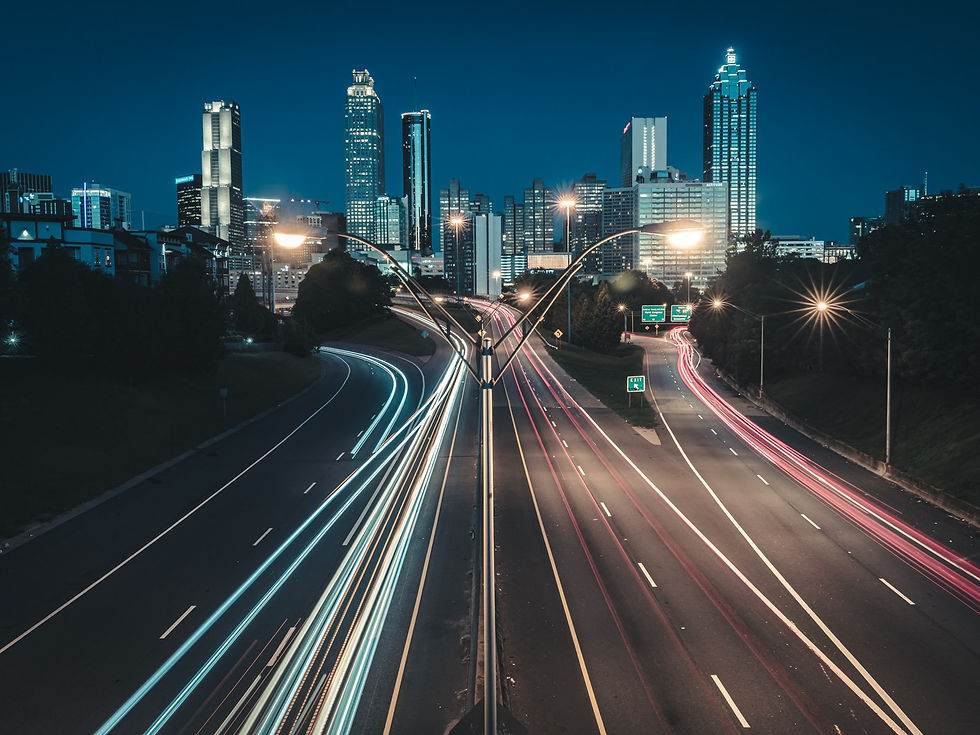
Atlanta does not need anyone to discover that it has coffee. The city already holds ceiling tier names with real footprints, and it also holds a genuine independent bench that most citywide listicles flatten into one vague Midtown Buckhead blur. That flattening is the actual problem. A metro this size does not have one coffee scene. It has a dozen neighborhood scenes stacked on top of each other, and almost nobody writing about them online treats them that way.
Walk the east side and the BeltLine adjacent neighborhoods and the map gets clearer fast. Chrome Yellow Trading Co. is roasting in house on Edgewood Avenue in Old Fourth Ward with nearly a thousand Google reviews behind it. Condesa Coffee runs two rooms, one on Dobbs Avenue and one in Grant Park. RAANI Coffee Roasters is pouring East Atlanta's own beans out of the old Hodgepodge space on Moreland. Taproom Coffee anchors Kirkwood with its own house roast from Opo. None of that reads like a scene waiting to be discovered. It reads like a scene that already arrived and is still waiting for its own websites to say so plainly.
That gap between what is actually happening on the ground and what shows up when a stranger searches for it online is the real subject of this cluster. It is not a story about Atlanta lacking coffee culture, because it clearly has plenty. It is a story about how much of that culture still lives in word of mouth, in regulars who already know which block to walk to, rather than in the search results a first time visitor or a new resident actually sees.
The Institutions Already Sitting on the Map
Bellwood Coffee runs five rooms spanning a Riverside flagship, East Atlanta Village, Decatur, Grant Park, and a Peachtree lobby. That is not a small operator's footprint. That is a company that has scaled a specialty coffee brand across five genuinely different parts of the metro without losing its identity along the way, and Axios Atlanta readers voted it their favorite coffee shop in a 2024 tournament for a reason.
Prevail Union carries a multi state footprint with Atlanta rooms in the mix, which tells a similar story from a different direction. Spiller Park has been a hometown institution since the Ponce City Market days and now stretches into Midtown and beyond, carrying real press coverage the whole way. Portrait Coffee's West End roastery tells its own pouring a new narrative story with one of the only real cafe blogs in the city, and it has built that reputation as Atlanta's first Black owned specialty coffee company on its own terms.
Those four names prove the market takes coffee seriously. Nobody has to argue Atlanta into caring about a good cup. They are not who this cluster is mainly for, though. The point of naming them here, honestly and without any hedging, is to set the ceiling so the independent bench underneath it reads in the right context instead of getting mistaken for the whole story.
The Independent Bench This Cluster Is Actually About
The shops worth a closer look for neighborhood search work live a few BeltLine stops away from the tourist shorthand. Chrome Yellow, Condesa, RAANI, and Taproom are the four names that anchor the corridor running from Old Fourth Ward through Grant Park into Kirkwood. Harbor Coffee in Inman Park, Green Beans ATL near the zoo, Con Leche in Reynoldstown, and Opo's training world in Decatur round out a bench that is deeper than most citywide guides let on.
These are the kind of one to four location specialty rooms that already have regulars, already have a real product, and still leave Google guessing which Atlanta they belong to. A search for coffee near me in East Atlanta Village should not have to work as hard as it currently does to surface a shop that is genuinely two blocks away and roasting its own beans.
This is not a thin scene waiting for its first good cup, and it would be dishonest to write it that way just to manufacture urgency. It is a serious metro with both institutions and a real independent bench, and the independent bench, block by block, is who Hillcane is writing toward across the rest of this cluster.
Why Geography Matters More Than a Citywide List
Atlanta's coffee neighborhoods do different jobs, and treating them as interchangeable is where most cafe marketing in this city goes wrong. Old Fourth Ward packs specialty rooms onto high traffic BeltLine adjacent blocks, the kind of corridor where four real operators sit within a short walk of each other. Grant Park is walkable and park adjacent with its own rising roster, close enough to the zoo that foot traffic behaves differently than it does two miles north. Kirkwood through East Atlanta Village is the corridor Buckhead guides skip entirely, even though it has its own house roasters and its own regulars who never make it into a Buckhead centric brunch list.
Treating all of that as one coffee in Atlanta answer erases the search paths regulars and visitors actually use. Nobody searching for a spot to work from in Kirkwood is typing coffee shop Atlanta into Google and hoping for the best. They are searching something much more specific, and the shop that answers that specific search with a page built for it, not a generic homepage with a neighborhood name dropped in, is the shop that wins the click.
The rest of this cluster walks those neighborhoods one at a time. It covers the review and schema patterns already working for shops like Taproom and Condesa, the gap between earned reputation and what most cafe sites still publish, and the practical difference between a citywide answer and a neighborhood one. Every post in this series is built around one real, specific piece of the Atlanta map, because that is how the people searching for coffee here actually think about the city, and it is long past time the websites caught up to that.
How the BeltLine Changed the Math for These Neighborhoods
The BeltLine is not just a trail. For a shop like BRASH Coffee or Chrome Yellow, it is a second front door that never existed before, one that brings in walkers, runners, and cyclists who were never going to find the shop by driving past it. A cafe sitting a block off the BeltLine in Old Fourth Ward is fielding foot traffic from two directions at once, and that changes what its website needs to communicate. A page that only lists a street address is leaving out the fact that a huge share of its actual customers arrive on foot from a trail entrance, not from a parked car.
This is part of why treating Atlanta as one undifferentiated coffee market misses something real. The BeltLine adjacent corridor running through Old Fourth Ward, Reynoldstown, and down toward Grant Park behaves differently than a strip mall coffee shop in a car dependent part of the metro. The customers are moving through the neighborhood on foot or bike, they are more likely to be locals out on a regular loop than tourists checking a list, and they are exactly the kind of searcher who benefits from a page that names the actual trail access point near the shop instead of just a street number.
Kirkwood and East Atlanta Village sit a little further from the trail itself but close enough that the same logic applies in a looser form. These are walkable, bike friendly neighborhoods where a local resident's search behavior looks less like typing coffee shop Atlanta and more like coffee near Oakhurst or coffee shop East Atlanta Village, phrases that a generic citywide homepage is simply not built to answer.
What a Neighborhood Aware Website Actually Changes
None of this requires a full rebuild. A shop like Green Beans ATL near the zoo does not need to abandon its identity to compete; it needs a homepage and a set of pages that actually say Grant Park, actually mention United Avenue, and actually name the zoo adjacent foot traffic that already walks past its door. The coffee does not change. What changes is whether Google, and increasingly AI answer engines pulling from the same signals, can confidently place that shop on the map its customers are already searching from.
The same logic holds for a two room operator like Condesa Coffee, splitting attention between a Dobbs Avenue address in Old Fourth Ward and a Boulevard address in Grant Park. Two neighborhoods, two different sets of neighbors, two different sets of search phrases, and ideally two pages that speak to each one directly instead of one shared page that has to generalize across both.
That is the practical version of everything this hub is arguing. Atlanta's coffee scene is not thin, and it does not need a rediscovery narrative. It needs its own map translated onto the websites that are supposed to represent it, block by block, the same way a regular already carries that map around in their head.
Reading the Rest of This Cluster
The posts that follow this one go deeper into specific pieces of that map. One walks Old Fourth Ward as its own corridor, naming the four operators, Chrome Yellow, Condesa, BRASH, and Finca to Filter, who sit within a short walk or BeltLine ride of each other. Another spends real time in Grant Park, where Condesa's second room, Green Beans ATL, and Bellwood's Grant Park cafe are all building a genuinely walkable strip. A third follows the corridor from Kirkwood through East Atlanta Village that Buckhead centric guides tend to skip entirely, even though it has its own house roasters and its own loyal regulars.
Later posts get more specific still. One looks closely at Chrome Yellow's review numbers and what a figure like nearly a thousand Google reviews actually signals to a search engine trying to decide who to trust. Another looks at the schema markup shops like Taproom Coffee and Finca to Filter have already implemented, using them as proof that the technical side of this is genuinely learnable and not some mysterious black box. A separate post spends time with Harbor Coffee, sitting right on the line between two real neighborhoods and earning a seat in two different Google Maps packs because of it.
There is also a post that looks honestly at the coffee marketing agency landscape already circling Atlanta, because unlike a smaller secondary city, this market already has at least one agency with a coffee client case study to point to. And there is a post on the training labs, competitions, and community infrastructure, from Opo's SCA certified courses in Decatur to the Barista League's North America stop at The Loft, that most Atlanta coffee drinkers never hear about even though it is happening right in their city.
Read together, these posts are meant to do one thing: replace a single flattened idea of Atlanta coffee with the dozen real neighborhood stories that actually make up the scene. That is a more useful map for a visitor trying to find a good cup nearby, and it is an even more useful map for a shop owner trying to figure out exactly what their own website is failing to say.
Related Reading
More from this Hillcane city series, plus the pages on the site that sit next to the work.
We Searched Coffee Shop Marketing Atlanta. The Shelf Isn't Empty, But There's Still a Gap.
Old Fourth Ward Is Atlanta's Coffee Corridor, and It's Not Slowing Down
Kirkwood to East Atlanta Village: The Coffee Corridor Buckhead Guides Skip
Why Coffee Shop in Grant Park Deserves Its Own Page in Atlanta
Foxtail Is in Buckhead and Midtown, Atlanta. Your Neighborhood Is Next.
Chrome Yellow Has 936 Google Reviews. Here's What That Number Is Actually Worth in Atlanta.
The Barista Competitions and Training Labs Most Atlanta Coffee Drinkers Never Hear About
What Atlanta's Small Business Resources Get Right, and the One Thing They Don't Cover
The Schema Markup Some of Atlanta's Best Coffee Shops Already Have
Frequently Asked Questions
Does Atlanta still have room for independent specialty coffee?
Yes. The city already has ceiling tier multi room names, and it also has a genuine independent bench in neighborhoods like Grant Park, Old Fourth Ward, Kirkwood, and East Atlanta Village. Both can be true at once. A serious coffee market having big names does not close the door on smaller specialty rooms; it usually means the audience already knows what good coffee tastes like.
Which Atlanta shops count as ceiling tier in this hub?
Bellwood Coffee, Prevail Union, Spiller Park, and Portrait Coffee are the ceiling names this post uses to set context. Bellwood runs five rooms across the metro, Prevail Union carries a multi state footprint, Spiller Park has grown from Ponce City Market into Midtown and beyond, and Portrait Coffee anchors the West End with its own roastery.
Where is Chrome Yellow Trading Co. roasting?
Chrome Yellow roasts in house on Edgewood Avenue in Old Fourth Ward and carries nearly a thousand Google reviews behind that address, a real trust signal built up over years of O4W regulars choosing that specific block.
How many rooms does Condesa Coffee run in Atlanta?
Two. One on Dobbs Avenue in Old Fourth Ward and one in Grant Park on Boulevard. Each room sits in a genuinely different neighborhood, which is exactly the kind of setup where separate neighborhood pages matter.
What is RAANI Coffee Roasters known for in this writeup?
RAANI pours East Atlanta's own beans out of the old Hodgepodge space on Moreland, giving the neighborhood a house roaster with real local roots rather than an imported brand.
Where does Taproom Coffee sit on the map?
Taproom anchors Kirkwood and pours its own house roast from Opo, making it one of the clearest examples of a neighborhood shop with a genuine product story behind the counter.
Is this cluster mainly about Buckhead coffee?
No. The independent bench this cluster focuses on clusters in Grant Park, Inman Park, Kirkwood, and East Atlanta Village more than Buckhead. Buckhead already has its own attention; these corridors need it more.
Why name the big Atlanta coffee brands at all?
To set the ceiling honestly. A serious metro already has institutions, and naming them plainly makes the independent bench easier to see for what it actually is instead of pretending the city has no coffee culture yet.
What is Portrait Coffee's West End story in one line?
Portrait is Atlanta's first Black owned specialty coffee company and runs one of the only real cafe blogs in the city from its West End roastery, telling its own story instead of waiting for someone else to tell it.
How does neighborhood geography change what a cafe website should say?
A cafe in Grant Park and a cafe in Kirkwood are answering different searches even if they are both in Atlanta. A website that names the actual cross streets, the actual neighboring shops, and the actual foot traffic pattern will out perform a generic homepage every time someone searches by neighborhood instead of by city.
How can Hillcane help an Atlanta independent cafe?
Hillcane builds neighborhood clear pages and findability work for one to four location specialty shops that already have good coffee. Reach out at hillcane.co/contact or call (256) 384-2449 to talk through what your shop's neighborhood page could look like.
Work with Hillcane
Atlanta already has ceiling tier coffee and a real independent bench. The map from Grant Park to Kirkwood is what this cluster is actually about.
If your Atlanta cafe wants a website that names the neighborhood strangers actually search, reach Hillcane at hillcane.co/contact or call (256) 384-2449.
Reach out at hillcane.co or (256) 384-2449.


Comments