
One Cluster, Two Coffee Cultures: Mercer and Robins Air Force Base

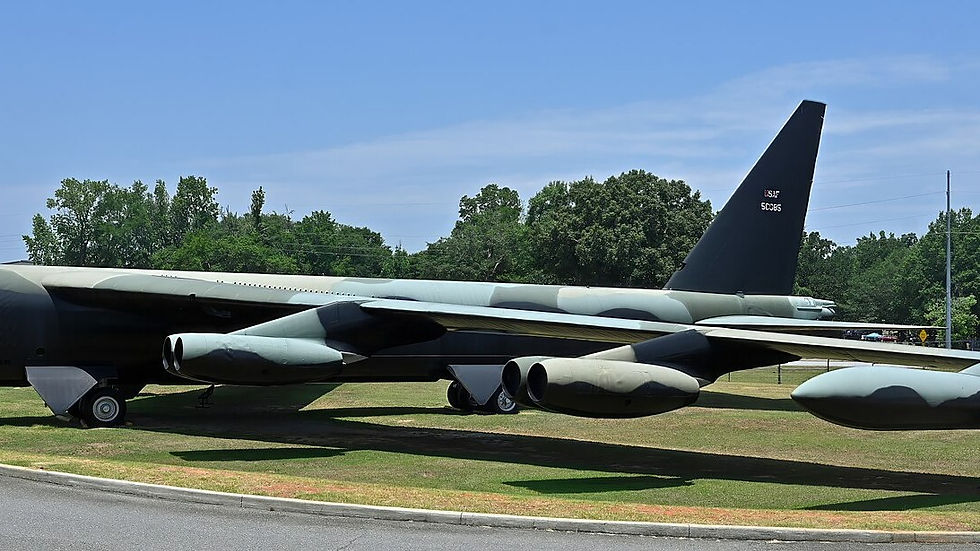
This research cluster sits on top of two genuinely different coffee cultures, shaped by two genuinely different anchors. Downtown Macon's coffee identity runs through Mercer University, a student and academic presence that shapes a walkable, campus adjacent rhythm. Warner Robins' coffee identity runs through Robins Air Force Base, which shapes early morning, shift change, drive to routines instead.
Neither culture is invented for this piece. Both are real, visible in how the actual coffee shops in this cluster describe themselves and where they choose to locate. This piece is about naming that dual identity honestly, without inventing enrollment figures or base population numbers that were not part of this research, and without collapsing two real, different coffee cultures into one blended Middle Georgia voice.
Mercer University and Downtown Macon
Roots and Refuge Coffee Roasters operates as a walkable downtown Macon roaster cafe on Poplar Street, close enough to Mercer University's campus to draw a genuine student and academic crowd on foot. That proximity shapes real customer behavior, someone walking between classes or errands rather than driving in specifically for coffee, and it is a meaningfully different pattern than what shapes coffee demand 25 minutes south.
This piece does not invent Mercer's enrollment or estimate how many students actually visit downtown coffee shops on a given day, since no verified figures for that were part of this research. What is clear, and does not require inventing a number, is that a walkable downtown roaster near a university campus serves a different daily rhythm than a suburban, car dependent corridor.
Robins Air Force Base and Warner Robins
Little Light Coffee Co.'s own Bonaire drive thru page explicitly markets its convenience specifically for customers near the Air Force base, describing a double lane setup built for speed. That is not an assumption on this piece's part, it is language taken directly from the shop's own live page, and it is a clear signal of how directly this business understands its own customer base near Robins Air Force Base.
Woodlands Coffee Roasters and Cafe, on the Highway 96 corridor in Kathleen, sits in the same general Warner Robins adjacent geography, shaped by the same base proximity and suburban drive patterns, even though its own story centers more on family ownership than on base specific marketing language.
Why These Are Genuinely Different Coffee Cultures
A downtown Macon coffee culture built around Mercer University tends toward walkability, longer sit down visits, and a customer base with a flexible daily schedule built around class times rather than shift times. A Warner Robins coffee culture built around Robins Air Force Base tends toward speed, drive thru convenience, and a customer base whose schedule is shaped by early shift changes and base access patterns.
Those are not superficial differences. They shape what kind of coffee shop actually thrives in each location, a walkable, sit down roaster with in house roasting in one, and a fast, convenient drive thru lane explicitly positioned near the base gate in the other. Building one generic Middle Georgia coffee culture voice across both misses what makes each half of this cluster actually work.
What Each Anchor Means for a Shop's Own Website
A downtown Macon shop's website benefits from leaning into its walkability and its proximity to Mercer, describing itself in terms a student or downtown worker would recognize immediately. A Warner Robins or Bonaire shop's website benefits from leaning into speed, convenience, and its literal proximity to the base, exactly as Little Light's own Bonaire page already does in its marketing language.
A single, blended description trying to serve both audiences at once risks sounding generic to everyone, missing the specific language that would make a Mercer adjacent walker or a base commuter immediately recognize a coffee shop as built for them specifically. Getting the culture right is as important as getting the geography right.
What Not to Invent Here
It would be easy, and inaccurate, to pad this piece with invented enrollment numbers for Mercer University, invented headcounts for Robins Air Force Base, or invented visitor and shift change statistics. None of those figures were part of this research, and none of them are necessary to make the actual point.
The point does not depend on exact numbers. It depends on the plainly documented fact that one shop markets itself around walkability near a university, and another markets itself explicitly around convenience near a military base gate. That distinction is real and sourced directly from the shops' own live pages, without needing a single invented statistic.
Two Cultures, One Cluster, Two Different Kinds of Content
The practical takeaway for anyone running a coffee shop in this cluster is straightforward: content built for a downtown Macon audience and content built for a Warner Robins audience should not read the same way. A downtown page can lean into history, walkability, and campus proximity. A Warner Robins or Bonaire page can lean into speed, convenience, and proximity to the base, exactly as Little Light's own drive thru page already demonstrates it understands.
Recognizing that this cluster genuinely holds two distinct coffee cultures, rather than one blended Middle Georgia market, is the first step toward writing content, and building pages, that actually speak to the right customer in the right half of this research cluster.
What a Downtown Page Could Say to a Mercer Adjacent Searcher
A downtown Macon coffee page built for a Mercer adjacent audience could speak directly to walkability, a short stroll between classes or downtown errands, the kind of specific, relatable language that a generic coffee shop description rarely captures. Roots and Refuge already has the real history, an eleven year run at the same Poplar Street address, to make that pitch specific and credible rather than generic.
None of that requires estimating Mercer's actual enrollment or claiming a specific customer count. It simply requires writing directly to the kind of visit a downtown, campus adjacent customer is actually making, rather than describing the shop in language built for a suburban drive thru customer instead.
What a Base Adjacent Page Could Say to a Warner Robins Searcher
A Warner Robins or Bonaire page built for a base adjacent audience could lean into exactly the language Little Light's own Bonaire page already uses, convenience, speed, and proximity to the Air Force base, extending that same specific, credible pitch to its other Watson Boulevard location as well, rather than leaving that page as the only one written with this audience clearly in mind.
Woodlands, sitting in the same general Warner Robins adjacent geography on Highway 96, could similarly lean further into its own base adjacent, suburban commuter audience, alongside its already strong family ownership story, rather than relying on the family story alone to carry the entire pitch.
Why Neither Culture Should Be Treated as the Default
It would be easy for a general Middle Georgia coffee guide to default to one voice, either a college town tone borrowed from downtown Macon or a suburban commuter tone borrowed from Warner Robins, and apply it across the whole cluster. Doing that would misrepresent whichever half of the cluster does not match the chosen default voice.
Treating both cultures as equally real and equally deserving of their own specific voice, rather than picking one as the default and treating the other as an exception, is the more honest and more useful approach for anyone writing about this cluster going forward.
How This Shapes Future Content Decisions
Any future piece written about a specific shop in this cluster should ask first which of these two cultures that shop actually belongs to, walkable and campus adjacent, or suburban and base adjacent, before deciding on tone, language, and emphasis. That single question does more to shape an accurate, useful piece of content than almost any other single decision.
Roots and Refuge belongs clearly to the first culture. Little Light's Bonaire location belongs clearly to the second, by its own stated marketing language. Woodlands sits closer to the second geographically while telling a story, its family history and mission, that could resonate with either audience. That nuance is worth carrying into any content built around this shop specifically.
Two Cultures, One Lesson for Any Shop in Between
Even a shop that does not sit neatly inside either the Mercer adjacent downtown culture or the Robins Air Force Base adjacent suburban culture can learn something from naming both clearly. Knowing precisely which audience a shop's own location actually serves, rather than assuming a single generic description will resonate equally with every possible customer, is the real, transferable lesson from this dual identity cluster.
That lesson applies well beyond Macon and Warner Robins specifically. Any coffee shop operating near a distinct anchor institution, whether a university, a base, a hospital, or a major employer, benefits from writing directly to that specific anchor's actual daily rhythm rather than defaulting to a generic, one size fits all coffee shop voice.
A Closing Word on Two Cultures Worth Naming Honestly
Neither Mercer University nor Robins Air Force Base needs an invented statistic to matter here. Both are simply real, and both genuinely shape how coffee actually gets consumed on their respective sides of this cluster. Naming that dual identity honestly, without inflating either side with numbers this research did not verify, is enough on its own to make the point clearly.
One More Practical Angle Worth Naming
It is worth adding, finally, that recognizing this dual identity does not require any shop in this cluster to pick a single audience and ignore the other. Little Light already serves both, a Watson Boulevard cafe closer to the broader Warner Robins population and a Bonaire drive thru marketed specifically toward the base. The lesson is simply to write each specific page toward the specific audience it actually serves, rather than blending both into one generic voice.
A Final Detail Worth Noting
It is worth restating that Little Light's Bonaire page is the clearest, most direct evidence in this entire research cluster of a business actively writing to its base adjacent audience, describing convenience near the Air Force base in its own marketing language. That single detail is worth treating as a small model for how the rest of the Warner Robins side of this cluster could describe itself just as directly.
Closing
Downtown Macon and Warner Robins are not the same coffee market wearing two different names. They are shaped by two different anchors, a university and a base, and the coffee shops serving each one benefit from acknowledging that difference directly rather than defaulting to one blended voice for a cluster that has never actually been one blended place.
Final Note
This dual identity, Mercer University downtown and Robins Air Force Base in Warner Robins, is not a marketing framework invented for this piece. It is simply the actual geography and daily rhythm already shaping this cluster, visible directly in how Little Light's own Bonaire page already markets itself. Naming it clearly is the whole contribution this piece makes.
The Actual Numbers Behind Each Anchor
Neither Mercer University's enrollment nor Robins Air Force Base's headcount appears in the research behind this piece, and neither number gets invented here. What is documented is the two cities themselves: Macon Bibb carries an American Community Survey population of 156,543, and Warner Robins carries its own population of 81,438, two separate, real numbers describing two separate places built around two genuinely different anchors.
That population gap, a downtown city roughly twice the size of its suburban neighbor, is itself a reason the two coffee cultures described in this piece do not automatically blend into one market. A downtown Macon shop and a Warner Robins shop are answering to differently sized, differently shaped communities, even before accounting for the different rhythms a university calendar and a base schedule each bring to their half of this cluster.
Related Reading
More from this Hillcane city series, plus the pages on the site that sit next to the work.
Frequently Asked Questions
What shapes downtown Macon's coffee culture?
Proximity to Mercer University, which brings a walkable student and academic crowd to shops like Roots and Refuge on Poplar Street.
What shapes Warner Robins' coffee culture?
Proximity to Robins Air Force Base, which shapes early morning, shift change, and drive to convenience patterns reflected directly in shops like Little Light's Bonaire location.
Does Little Light Coffee Co. market itself around the Air Force base?
Yes, its own live Bonaire drive thru page explicitly describes convenience for customers near the Air Force base, with a double lane setup built for speed.
Are Mercer enrollment or base population figures used in this research?
No. Those figures were not verified as part of this research, so this piece does not estimate or invent them.
Why does it matter that this cluster has two different coffee cultures?
Because content and marketing built for a walkable downtown university audience should look and read differently than content built for a base adjacent drive thru audience.
Is Woodlands Coffee Roasters part of the base adjacent culture?
It sits in the general Warner Robins area geography, though its own story centers more on family ownership than base specific marketing language.
Does this mean downtown Macon and Warner Robins compete for the same customers?
Not typically. They serve different daily rhythms and different customer bases shaped by different anchors, a university on one side and a military base on the other.
What kind of website content works best for a downtown Macon shop?
Content leaning into walkability, history, and proximity to Mercer University tends to match how that customer base actually thinks about getting coffee.
What kind of website content works best for a Warner Robins shop?
Content leaning into speed, convenience, and proximity to Robins Air Force Base, similar to language Little Light already uses on its own Bonaire page.
How can Hillcane help a shop write for the right coffee culture?
Hillcane can help build content and pages that speak specifically to a downtown university audience or a base adjacent commuter audience, whichever fits your actual location. Reach out at hillcane.co/contact or call (256) 384-2449.
Work with Hillcane
Downtown Macon's coffee culture runs through Mercer University. Warner Robins runs through Robins Air Force Base. One blended Middle Georgia voice misses how differently each half of this cluster actually works.
If your Macon area coffee shop needs content built for the actual customer base near you, Hillcane can help get that right. Reach out at hillcane.co/contact or call (256) 384-2449.
Reach out at hillcane.co or (256) 384-2449.


Comments