The New Cafe Head Start The Mallard Is Not Using Yet

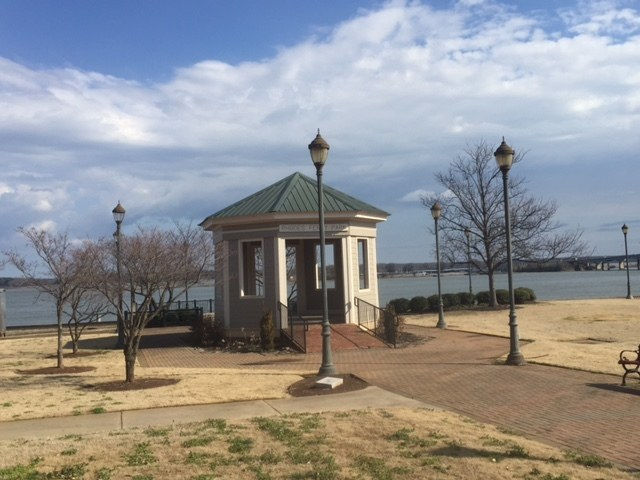
Every new coffee shop opens with a short window where its online story is still forming, and what happens in that window matters more than most owners realize while they are busy with everything else opening day demands. The Mallard is the newest of the three audited independent coffee shops in the Decatur and Athens, Alabama cluster, opening its brick and mortar location at 14 Lee Street NE in early November of 2024, after running a summer 2024 pop up cart at 609 Social under owners Hunter and Lindsey Allen. Being the newest shop in a small, tight knit market like this one is not automatically an advantage. It becomes one only if a shop moves fast enough to build its online record correctly before directories, review sites, and search engines freeze in an incomplete or outdated version of the story.
The Mallard has already done the harder part of that work. Its homepage copy is confident and specific, calling itself Decatur's go to spot for coffee, connection, and relaxation, and it already carries WebSite, Organization, and LocalBusiness schema. What it has not yet built is the architecture that locks in that head start permanently and turns it into a lasting advantage: a dedicated location page, a blog, and a fully cleaned up directory footprint that has moved past the 609 Social pop up cart period entirely.
Why New Is Different From Old, Online
An older, more established business in any market eventually accumulates years of directory listings, review site entries, and cached search results built around whatever facts existed when those pages were first indexed. Correcting that record later, once a stale address or an outdated description has spread across dozens of platforms, is genuinely slow and tedious work. A shop this new does not have that problem yet, because most of the web has not fully indexed it.
That is the real head start. The Mallard has a rare, short window where it can set its own record correctly everywhere at once, rather than spending years cleaning up after an older, less accurate version of itself that spread before anyone thought to fix it. That window will not stay open forever.
The Pop Up Cart Period Is Already a Small Preview of the Risk
The Mallard's own history already shows how quickly an address can spread and stick. The summer 2024 pop up cart at 609 Social predates the permanent Lee Street location by only a few months, and some directory listings may still reference that earlier address rather than the current brick and mortar door. That is a small, low stakes preview of exactly the kind of drift that becomes much harder to fix the longer it goes uncorrected.
The lesson from that preview is straightforward: the faster a shop's current, correct information gets everywhere it needs to be, the less cleanup work there is later. The Mallard is still early enough in its life that this cleanup is manageable, quick, and inexpensive. It will not stay that easy indefinitely.
What The Mallard Has Already Gotten Right
Give real credit here. The Mallard's homepage title, The Mallard, Quality Coffee, Food, and Community Hub, is specific and confident from the start, not a placeholder an owner forgot to update. The main heading names exactly what the shop is for, and the site states concrete seating numbers, thirty seats indoors and twenty outdoors, giving a visitor real, useful, specific detail rather than vague marketing language that could describe any coffee shop anywhere in the country.
On the technical side, WebSite, Organization, and LocalBusiness schema are already in place, the same category of structured data that Bonsai Coffee Company, an older shop in this same cluster, still has not fully implemented. That means The Mallard entered this market with a stronger technical foundation from day one than at least one of its more established neighbors currently has, a genuine credit to whoever built the site initially.
What Still Needs to Happen Before the Window Closes
Despite that strong start, The Mallard's own slash locations, slash about, and slash blog pages all return a 404. The fuller version of the shop's story, covering June Coffee Roasters out of Birmingham and the Barrett Upholstery building's renovation, currently sits at a generic URL, slash about-6-1, rather than a page built specifically around Lee Street and the riverfront itself.
That gap is exactly what a genuine head start looks like when it is only half finished. The voice is there. The schema is there. The permanent, specific page that ties it all together at a URL a search engine can confidently associate with the Decatur riverfront is not there yet, and every month that stays true is a month where the head start narrows rather than compounds into something bigger and more durable.
The Practical Value of Getting This Right Early
A new shop that finishes this architecture early gets to spend the following years building on top of a clean foundation, adding blog posts, seasonal updates, and new pages, rather than simultaneously trying to build new content and fix old mistakes at the same time. That compounding advantage is the real prize of being the newest shop in this cluster, not simply the novelty or short lived buzz of being new.
For The Mallard specifically, that means the highest value next step is not a new marketing campaign or a social media push. It is finishing the basic architecture, a Lee Street location page, a blog, and a fully corrected directory footprint, while the shop is still young enough that almost no incorrect information has had time to spread anywhere important.
How This Compares to the Two Older Shops in the Cluster
Hi-Plane Coffee Company, which opened its coffee program inside UG White Mercantile in November of 2022, and Bonsai Coffee Company, whose exact opening date is not established in this research, are both further along in their business life than The Mallard. Neither of them, however, has finished the same architecture The Mallard is missing. Hi-Plane has strong schema but an empty H1 and no location page. Bonsai still runs a default title and only partial schema.
That comparison is instructive. Age in the market did not automatically translate into a more complete website for either older shop. If anything, it suggests that once a website is left unfinished, it tends to stay unfinished regardless of how long the underlying business has been open, unless someone deliberately goes back and finishes the job. The Mallard's youth gives it a chance to avoid that same multi year drift, but only if it acts now rather than assuming it will get to it eventually.
What a Location Page Would Do for a Shop This New
A dedicated Lee Street riverfront page would do more for The Mallard specifically than it might for an older, already well indexed shop, because The Mallard's entire online presence is still forming. Search engines are actively still learning what this business is and where it belongs in local search results. A clear, specific, well built location page submitted early in that process has a better chance of becoming the authoritative source Google references going forward, rather than competing against years of accumulated third party content the way an older shop sometimes has to.
In practical terms, that means the return on building this page now, while The Mallard is still relatively new, is likely higher than the same page would deliver if built five years from now, after directories and review sites have had more time to settle into whatever incomplete picture currently exists.
The Directory Cleanup Task, Concretely
Locking in the head start also means actively checking, not assuming, that every platform where The Mallard's name might appear, Google Business Profile, Yelp, Facebook, Instagram, and any local directory, reflects the current Lee Street address rather than the 609 Social pop up cart location. This is not a single one time task completed and forgotten. New businesses often see their directory data continue settling for months after opening, as different platforms crawl and update on their own separate schedules.
A periodic check, every few months during the first year or two, catches any platform that has not yet caught up, keeps the correct address consistently reinforced everywhere, and prevents the pop up cart period from becoming a permanent source of confusion rather than a nice, brief origin story in the shop's history.
Turning the Origin Story Into an Asset Instead of a Liability
The pop up cart at 609 Social does not need to be hidden or downplayed. Once the current Lee Street address is consistently and correctly reinforced everywhere, that origin story becomes a genuine asset rather than a source of confusion. A page that tells the full arc, a summer testing the concept as a cart, then opening a permanent room in a renovated building on the riverfront, gives The Mallard a specific, memorable, and entirely true story that a brand new shop with no history at all simply does not have available to tell yet.
That kind of origin story, told clearly and tied to the correct current address, works in The Mallard's favor precisely because it shows real momentum, a business that started small, proved itself over a summer season, and grew into a permanent home on the riverfront. Once the architecture catches up to the copy, that story is ready to do real, ongoing marketing work rather than sitting as a stale detail in an old directory listing somewhere on the internet.
A Simple Checklist for Any New Coffee Shop
The Mallard's situation offers a useful, general checklist for any new coffee shop opening in a small market like this one. Write real, specific title tags and meta descriptions from the very first day the site goes live, rather than launching with placeholder text. Add full schema, WebSite, Organization, and LocalBusiness, before the grand opening rather than treating it as a later cleanup task. Build a dedicated location page around the actual street and neighborhood, not a generic about page, as part of the initial site build. Start a blog early, even with a small handful of posts, so Google has more than a single homepage to index from day one.
None of those steps are expensive or technically difficult. They simply require treating the website launch with the same seriousness as the physical space, rather than treating the site as a placeholder to be finished later once the doors are already open and business has started.
Why Waiting Rarely Feels Urgent, Even Though It Is
It is worth acknowledging honestly why this kind of website architecture work so often gets delayed, even by owners who genuinely understand its value. A new coffee shop's first months are consumed by staffing, ordering, training, and the hundred small operational fires that come with actually running a physical business day to day. Website architecture, by comparison, does not create an obvious emergency the way a broken espresso machine or a staffing gap does, so it quietly slides down the priority list.
That is a completely understandable pattern, and it is exactly why so many small businesses, not just coffee shops, end up with an unfinished website years after opening. Naming that pattern directly is useful, because recognizing it is often the first step toward actually protecting a block of time for this work before the window narrows further.
Related Reading
More from this Hillcane city series, plus the pages on the site that sit next to the work.
Drive Thru Chain Pressure Between Decatur and Athens, Alabama
The Athens, Alabama Farmers Market and the Square's Coffee Shops
Athens, Alabama's Thousand Dollar Marketing Grants and What They Cover
Getting Google Business Profile Right on Either Bank of the River in Decatur and Athens, Alabama
Why Isn't My Decatur or Athens, Alabama Coffee Shop Showing Up?
Why a Mercantile Roaster on the Athens Square Is Still Specialty Coffee
Frequently Asked Questions
Which coffee shop is the newest in the Decatur and Athens, Alabama cluster?
The Mallard, which opened its brick and mortar location on Decatur's riverfront in early November of 2024.
What did The Mallard operate as before its permanent location?
A summer 2024 pop up cart at 609 Social, before opening the brick and mortar location at 14 Lee Street NE.
Does The Mallard already have structured data on its website?
Yes, WebSite, Organization, and LocalBusiness schema are already in place.
What is still missing from The Mallard's website?
A dedicated location page, since its slash locations, slash about, and slash blog pages all return a 404.
Why is being a new coffee shop an advantage online?
A new shop has not yet accumulated years of stale directory listings and cached search results, giving it a rare window to set its own record correctly from the start.
Has any old address information already started to spread for The Mallard?
Some directory listings may still reference the earlier 609 Social pop up cart address rather than the current Lee Street location.
How does The Mallard's schema compare to its neighbors in this cluster?
It already has full WebSite, Organization, and LocalBusiness schema, ahead of Bonsai Coffee Company, an older shop that still only has WebSite schema.
What should The Mallard prioritize right now?
Finishing its site architecture, a Lee Street location page, a blog, and a corrected directory footprint, while the business is still new enough that little incorrect information has spread.
Does a strong homepage alone lock in a new shop's online advantage?
No, strong copy needs to be paired with a dedicated location page and structured content to fully capture the head start a new shop has.
What happens if a new shop waits too long to fix its online architecture?
The head start narrows over time as directories, review sites, and search engines index whatever incomplete information exists, making later corrections slower and harder.
Work with Hillcane
The Mallard opened as the newest coffee shop in this Decatur and Athens, Alabama cluster with a real head start online, but that advantage is only half built out so far.
Hillcane can help a new coffee shop like The Mallard lock in its online head start before the window closes. Reach out at hillcane.co/contact or call (256) 384-2449.
Reach out at hillcane.co or (256) 384-2449.


Comments