
Google Maps and Your Coffee Shop: How It Categorizes You

Updated: Oct 6
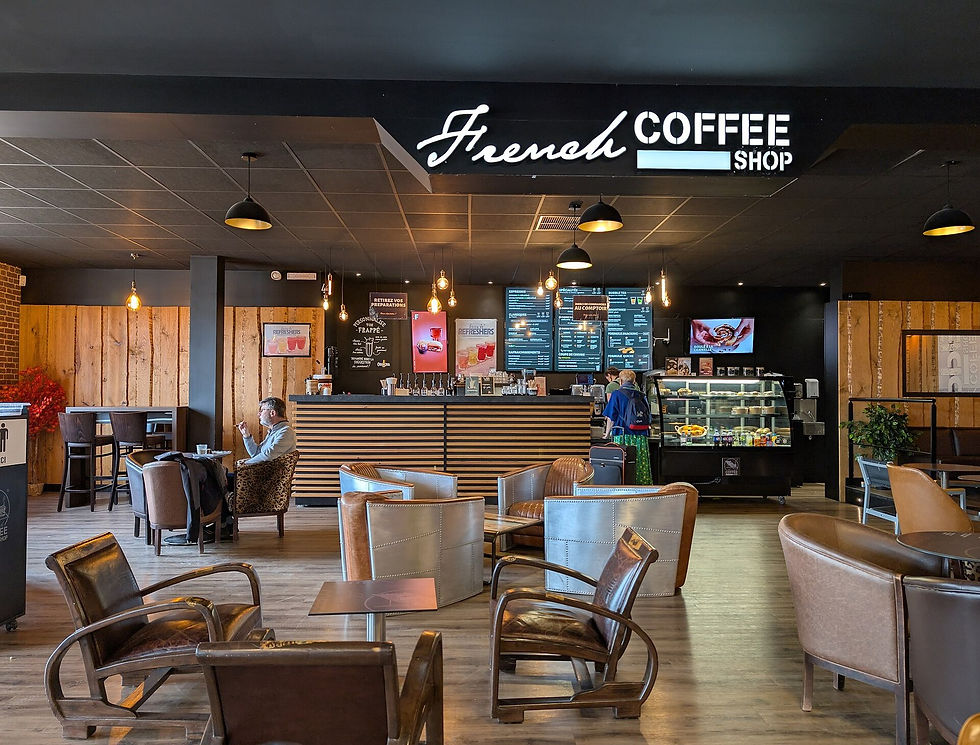
A customer walks in and knows within a minute whether this is a specialty cafe. Google Maps does not get that minute. It reads the primary category, secondary categories, business description, attributes, hours, photos, and whatever structured clues exist on the website. If those fields are thin, a careful specialty shop can look like a generic store or restaurant in the index.
That misfile is not dramatic from the owner's chair. The pin still exists. Reviews may still be strong. The quiet cost is eligibility: which searches the listing is even invited to compete in.
This spoke exists so later technical posts can assume you know Maps is a classification system, not a mirror of how regulars feel about the coffee.
Misclassification is usually accidental. It is still consequential enough to fix on purpose.
Primary Category Is a Gate
Google Business Profile allows a primary category and up to nine secondary categories. The primary category alone shapes which queries a listing is eligible to appear for. A specialty cafe set as Restaurant, or left on a bare Coffee Shop default without supporting attributes, can miss searches built around roaster, espresso bar, or third wave coffee language.
Secondary categories help, but they do not replace a precise primary. Pick the category that matches how strangers search for what you actually are, then support it with secondaries that reflect real extras such as coffee roasters when that is true.
What a Healthy Profile Looks Like
Hours match the door, including holiday exceptions. The description names the real category instead of a vague tagline. Photos are recent and varied rather than a handful of old images. Attributes that apply are filled in. The name, address, and phone match the website.
Across Hillcane's research, live Maps often functioned as the homepage operators actually lived on. That makes profile quality disproportionately important. If Maps is where customers start, thin categories are not a small admin miss.
Website Signals Have to Agree
Maps and the site should tell the same story. If the profile says specialty cafe and the homepage only sells bags for shipping, the system gets mixed evidence. Schema on the site that names CafeOrCoffeeShop or LocalBusiness helps. In the 201 shop corpus, only 30 percent had that real cafe entity present, while 31 percent had no cafe schema.
Agreement is boring and powerful. Same name. Same address. Same phone. Same sense of what the business is for.
A Practical Check Without Panic
Open your profile as a stranger would. Read only the category, description, and hours. Would you know this is a specialty cafe worth a detour? If not, edit before you buy another boost post. Maps already has your attention. Give it accurate language.
Attributes and Descriptions Do Real Work
Beyond category, attributes and the business description are where specialty texture can appear. If you roast on site, say so. If you are an espresso bar with limited seats, say so. Vague hospitality adjectives help less than checkable claims.
Photos should support the same story: the room, the bar, the craft. Old stock style images that could be any cafe anywhere weaken the file Maps is building.
When to Recheck After a Change
Rebranding, moving, adding roasting, or changing service style all justify a category and description review. So does a season when hours swing hard. Maps files go stale the same way websites do when nobody owns the update.
Put the profile on the same mental shelf as the door sign. If the sign changed, the profile should too.
Maps as Homepage Behavior
In Hillcane's research notes, live Maps often behaved like the homepage operators lived on. Customers start there. Hours decisions happen there. Directions start there. If that is true for your market, category precision is not admin trivia. It is front door copy in another skin.
Treat profile edits with the same care you would give a window sign. Wrong words on either surface send people to the wrong expectation.
Secondary Categories Without Clutter
Secondary categories should reflect real services, not a keyword stuffing wish list. If you are not a tea house, do not claim it. If you do roast, coffee roasters can belong. Honesty beats breadth.
Cluttered secondaries can dilute focus. Choose the few that a stranger would recognize as true after one visit.
Agreement With Schema and Site Copy
When Maps says cafe and the site schema says only Organization, systems receive mixed mail. Aligning those messages is part of making Maps think what you are.
The 201 shop schema split, 31 percent absent and 30 percent real cafe entity, shows how often that mail already goes out incomplete across the corpus.
Misclassification Examples Without Naming Shops
A roasting cafe filed only as a generic restaurant can miss queries where coffee roasters is the intent. An espresso focused specialty bar left on a vague default can look interchangeable with any coffee pin that happens to have more photo velocity. A shop that changed service style after COVID but never updated categories can keep competing in the wrong neighborhood of results.
None of those examples require blaming a specific business. They require admitting that Maps classification is consequential. Owners who only check star ratings miss the eligibility layer underneath the stars.
Open the editor. Read the primary category out loud. Ask whether a stranger would pick that label after one visit. If not, change it, then align the website so the story matches.
Photos, Posts, and the Living Profile
Google Business Profile posts and fresh photos will not repair a wrong primary category, but they do support the sense that the business is alive. A correctly categorized profile that looks abandoned still leaves confidence on the table.
Aim for a living profile: accurate core fields, then occasional real photos from the floor. Skip gimmicks that you cannot sustain. Sustainability beats a burst of activity that dies for six months.
Pair that living profile with a website that agrees. Maps thinks what your fields say. Your site should say the same thing in public sentences and schema.
A Five Minute Category Check
Open your Google Business Profile editor and read the primary category out loud, then read the top two secondary categories. Ask a coworker who was not involved in setting them up what kind of business they would expect behind that label. If the answer surprises you, the fields are working against the room rather than for it.
This check takes five minutes and costs nothing. It is worth repeating any time the business changes in a way that matters: adding roasting, dropping a food program, moving to a new address, or shifting from counter service to a full sit down menu.
Reading This Alongside Hillcane's Other Posts
This post does not stand alone. It is one piece of a wider Hillcane argument that keeps repeating in different forms across Hillcane's posts: independent specialty cafes are usually strong in the room and thin in the structure that lets strangers and machines confirm it. "What Google Maps Actually Thinks Your Coffee Shop Is (And Why That Might Be a Problem)" is the specific angle this post takes on that larger pattern, and the fix described here is meant to be finished, not admired.
Owners who read several Hillcane posts back to back will notice the same handful of surfaces come up again: the Google Business Profile, the homepage, structured data, and NAP consistency. That repetition is intentional. Those are the surfaces search and AI answer systems read, so they are where a specialty cafe's limited hours are best spent.
What This Looks Like as a Finished Task, Not an Ongoing Chore
It helps to picture the finish line instead of only the problem. Google Maps does not taste your coffee. It files you by categories and fields, and thin fields create the wrong file. Once that gap is closed for your shop, this particular fix becomes maintenance rather than a recurring worry: a quarterly check instead of a monthly anxiety.
That distinction matters for a small team choosing where to spend a scarce afternoon. A task with a visible finish line is easier to schedule than an open ended commitment to do better at marketing in general. Treat the work in this post as a project with a checklist, not a personality trait you either have or lack.
A Question Worth Asking Before Your Next Slow Afternoon
The next time the floor is quiet for twenty minutes, use the time to test the exact claim this post makes about your own shop rather than someone else's. Read your own homepage, profile, or listings the way a stranger would, and see whether the gap described here is present for you or already handled.
If the gap is present, that twenty minutes is enough to start the fix, even if it is not enough to finish it. If the gap is already handled, that is useful confirmation, and the twenty minutes was not wasted. Either outcome moves you forward, which is the point of building small, checkable habits around findability instead of waiting for a single big overhaul.
The Cost of Waiting Another Season
It is tempting to file "What Google Maps Actually Thinks Your Coffee Shop Is (And Why That Might Be a Problem)" under someday, especially during a busy stretch when every hour already has a claim on it. The cost of that delay is not dramatic. It is quiet and cumulative: another season of strangers landing somewhere else, another few months of a search system or an AI answer defaulting to a third party page because the cafe's own surfaces never gave it enough to work with.
None of that shows up as a single bad day. It shows up later as a vague sense that the shop should be busier than it is, or that a competitor with a less interesting menu somehow keeps getting mentioned first. Naming the delay now, in plain terms, is usually enough to move a task from someday to this month.
Keeping the Fix Honest Over Time
A fix made once and never revisited tends to drift back toward the original problem within a year or two, especially for a specialty cafe where hours, staffing, and offerings genuinely change with the seasons. The work described in this post deserves a recheck on a regular calendar, not a one time certificate that never gets reopened.
Pick a cadence that matches how often your business changes, and put a reminder on the same calendar you already use for inventory or payroll. Findability work that gets revisited twice a year stays accurate. Findability work that gets set once and forgotten quietly decays back into the exact gap this post was written to close.
Why Hillcane Frames This as Structural, Not Personal
It would be easy to write "What Google Maps Actually Thinks Your Coffee Shop Is (And Why That Might Be a Problem)" as a list of things owners are doing wrong. That framing is not accurate and it is not useful. The gap this post describes comes from how commerce templates, busy schedules, and platform defaults interact with how modern search reads a business, not from a lack of care about the craft.
Framing the fix as structural rather than personal changes how it gets tackled. A structural problem gets a checklist and a deadline. A personal failing gets avoidance and guilt. Hillcane would rather hand you the checklist, because the checklist is the version of this conversation that results in strangers finding the door.
Related Reading
More from this Hillcane city series, plus the pages on the site that sit next to the work.
Frequently Asked Questions
How does Google decide what my cafe is?
Primarily through Google Business Profile categories, description, attributes, hours, and consistency with other signals including the website.
How many categories can a profile have?
One primary category and up to nine secondary categories.
Why does the primary category matter so much?
It shapes which searches the listing is eligible to appear in. A mismatched primary can exclude you from relevant queries.
Should every specialty cafe use the same category?
No. Choose the primary that best matches how customers search for what you truly offer, then add honest secondaries.
Can strong reviews fix a wrong category?
Reviews help reputation and freshness. They do not fully repair eligibility problems created by a mismatched primary category.
How does website schema relate to Maps?
On site CafeOrCoffeeShop or LocalBusiness markup reinforces what the business is. Only 30 percent of Hillcane's 201 shop corpus had that real cafe entity.
What photos help a profile?
Recent, varied, real photos of the room and craft beat old or generic images that could belong anywhere.
Do hours really affect trust?
Yes. Stale or wrong hours, especially around holidays, are a common way listings quietly lose confidence.
Is Maps more important than the website?
For many customers Maps is the start. The website still needs to agree and supply citable facts. Treat them as a pair.
Can Hillcane review what Maps thinks we are?
Yes. Hillcane helps specialty cafes align categories, profile fields, and on site signals. Reach out at hillcane.co/contact or call (256) 384-2449.
Work with Hillcane
Google Maps does not taste your coffee.
If you are unsure what Google thinks your specialty cafe is, Hillcane can help you line up categories, profile fields, and site signals. Reach out at hillcane.co/contact or call (256) 384-2449.
Reach out at hillcane.co or (256) 384-2449.


Comments