Hours That Match Everywhere a Drinker Looks Save a Wasted Walk


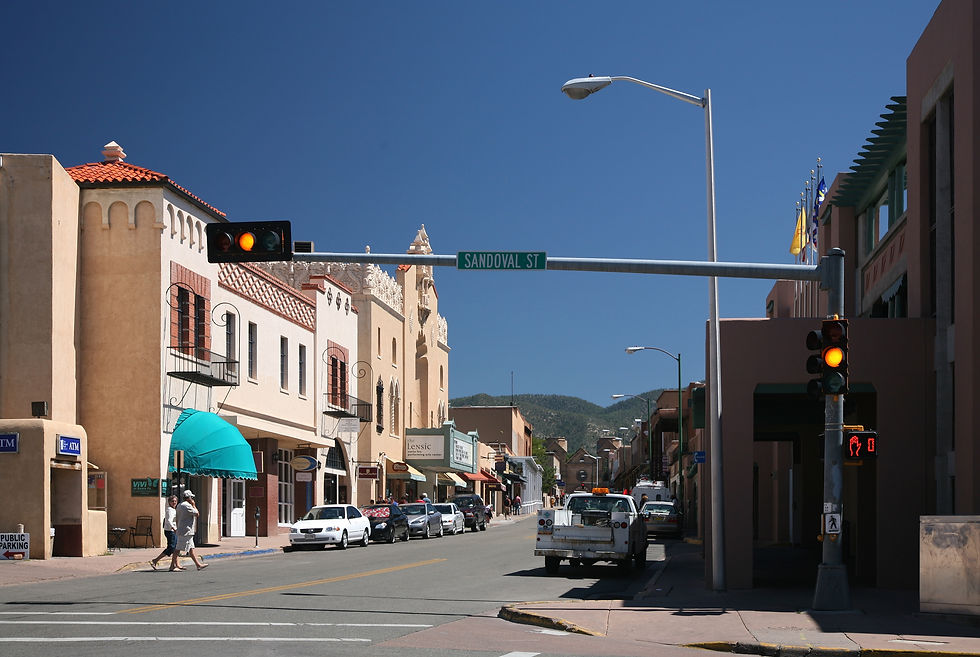
Photo: dconvertini, CC BY-SA 2.0, via Wikimedia Commons
There is a specific kind of frustration that comes from walking to a coffee shop, checking your phone one more time to confirm it is open, and arriving to find the door locked anyway. It usually is not because the shop lied about its hours. It is because the shop's hours live in more than one place online, and those places do not agree with each other.
This happens more often than most owners realize, and it is rarely anyone's fault in a dramatic sense. Hours get updated on a homepage but not on a map listing. A seasonal change gets posted to social media but never makes it into the search engine's own listing description. None of these gaps are unusual. All of them are fixable, and fixing them is one of the highest value, lowest effort things a coffee shop can do for the people trying to actually show up.
It is worth naming how common this exact pattern is across small businesses generally, not just coffee shops. Any business with more than one online presence, a website, a map listing, a social account, a search engine listing description, is carrying more than one copy of the same core information. The more copies that exist, the more chances there are for one of them to drift out of date while the others move on without it, quietly, with nobody noticing until a customer runs into the mismatch firsthand.
Where a Drinker Actually Checks
Before heading to a coffee shop, most drinkers check hours in whichever place is fastest for them in the moment, not necessarily the shop's own homepage. That might be the short description that appears directly in a search engine's listing, the shop's actual homepage, a map app, or the shop's own social media page, whichever one loads first on their phone.
None of those four places is inherently more correct than the others in a drinker's mind. A drinker checking a map app trusts it the same way they would trust the homepage, because there is no obvious reason to assume one source is more current than another. The problem only becomes visible the moment two of those sources say something different.
That is exactly the moment that sends someone to a locked door at the wrong time, not because they failed to check, but because they checked one of several equally reasonable places to look, and that particular place happened to be the one that had not been updated.
It is worth being specific about how quickly this decision happens in practice. Most drinkers are not comparing multiple sources side by side before heading out. They check one, form a plan, and go. That single check carries the full weight of the decision, which is exactly why it matters that whichever source a drinker happens to land on says the same thing every other source would have told them.
How the Disagreement Actually Happens
Hours drift out of sync for boring, understandable reasons. A shop shifts its closing time for the slower season and updates its homepage, but the change never gets carried over to a map listing that was set up once, months earlier, and then largely forgotten. Or the reverse happens, a map listing gets updated quickly by whoever has access to it, while the homepage itself, built by someone else entirely, sits untouched for a year or more.
Social media adds another layer entirely. A shop might post a one off note about a holiday closure or an early close for a private event, true and accurate in the moment, that then lingers at the top of a feed long after the actual hours have returned to normal, confusing anyone who stumbles across that post days or weeks later.
None of this requires any bad intent from anyone running the shop. It requires only that hours live in four or five separate places, each maintained by whoever happened to touch it last, with no single source everyone treats as the one to trust.
It is also worth acknowledging how ownership of these different sources tends to get split across different people over time. A shop's homepage might have been built once by a hired designer and rarely touched since. A map listing might be managed by whoever originally claimed the business profile, sometimes an owner, sometimes an early employee who has since moved on. Social media might be run day to day by current staff. Each source has its own maintainer, its own update rhythm, and its own blind spots, which is exactly the condition that lets a mismatch grow unnoticed.
Why It Costs More Than It Looks Like
A single wasted walk to a locked door does not sound like a large problem on its own. But it lands at exactly the wrong moment, when a drinker has already decided to visit, already made the trip, and is standing right there disappointed. That kind of moment sticks with people in a way a generic bad review rarely does.
Worse, a drinker who hits a locked door once because of mismatched hours has no way of knowing it was a hours mismatch rather than the shop simply being unreliable. From where they are standing, both look identical. That is the real cost, not just one missed visit, but a small dent in trust that the shop had no real chance to explain in the moment.
There is a compounding effect worth naming too. A drinker who has this experience once may simply choose a different cafe next time, not out of any real judgment about the coffee itself, but purely to avoid repeating an experience that felt like wasted effort. The shop never gets a chance to correct that impression, because the drinker never mentions it, never leaves a review explaining what happened, and simply goes elsewhere the next time they want coffee.
Getting to One Resolved Hours Line
The fix does not require picking which source is technically most important. It requires deciding on one accurate, current hours line, and then making sure every place a drinker might check, the search listing, the homepage, the map listing, and social media, says the exact same thing.
That means treating hours as something to actively confirm on a regular schedule, not something set once and left alone. Whenever hours actually change, for a season, a holiday, or a permanent shift, the update needs to go to every place at the same time, not just wherever is easiest to edit that day.
It also means treating a one off social media post about a temporary closure as exactly that, temporary, and making sure it does not become the accidental permanent record simply because it was the last thing posted.
A simple practical habit helps here more than any technical tool: whenever hours change for any reason, write the new line down once, then physically go check each of the four or five places a drinker might look and update every one of them in the same sitting, rather than updating one place and assuming the rest will catch up eventually. They rarely do on their own.
The Fastest Fix
If there is one single fastest improvement available here, it is this: pick the correct, current hours, write them down in one place, and then copy that exact line to every other place a drinker might look, rather than trying to remember or guess what each individual listing currently says.
This is not a technical fix. It does not require new software or a website rebuild. It requires treating hours the same way a shop already treats its menu, as something worth checking and correcting whenever it changes, everywhere it appears, not just wherever the owner happens to be logged in that day.
A drinker who trusts that a cafe's hours are the same no matter where they checked is a drinker far more likely to show up, and far less likely to walk away frustrated by something that was never really about the coffee at all.
The payoff for getting this right is genuinely underrated. It costs nothing to fix beyond a short amount of attention, it prevents a specific and memorable kind of frustration, and it builds exactly the kind of quiet, dependable trust that keeps a drinker coming back without ever having to think twice about whether the door will be open when they arrive.
A Simple Monthly Habit
Rather than treating hours as a one time setup task, the most reliable owners treat checking hours as a short, recurring habit, something reviewed on a set schedule rather than only when a change happens to prompt it. Once a month, or at the start of each season, taking ten minutes to visit the search listing, the homepage, the map listing, and social media, checking that all four still say the same thing, catches drift long before a drinker ever runs into it.
This kind of habit does not require any special tool or technical skill. It requires only the discipline to look, rather than assume that because something was correct once, it must still be correct now. Given how easily a mismatch can creep in unnoticed, that ten minutes is genuinely one of the highest value habits a small coffee shop can build into its regular routine.
It is also worth writing the correct, current hours down somewhere central, a single reference document or note, rather than relying on memory alone. Whoever checks and updates each platform can then compare directly against that one reference, rather than trying to recall exactly what was posted last time from memory, which is exactly the kind of small gap that lets a mismatch happen in the first place.
For a shop with more than one staff member touching different platforms, a short shared checklist naming each place hours need to appear helps too, so the task does not depend entirely on one person remembering every location on their own. A drinker never sees this checklist, and does not need to. What they see is simply a cafe whose hours agree everywhere, which is the entire point of doing this quiet, unglamorous work in the first place.
The habit compounds over time in a way that is easy to underestimate. A cafe that has kept its hours consistent for a year across every place a drinker might look builds a kind of quiet reliability that regulars come to trust without ever consciously noticing it. That trust rarely shows up as a specific compliment. It shows up simply as fewer surprises, fewer wasted trips, and a steady stream of drinkers who never had a reason to doubt the door would be open.
None of this requires perfection either. A shop that occasionally slips and catches the mismatch within a day or two is in a completely different position than one that lets a wrong hours line sit uncorrected for months. The goal is not an impossible standard of never making a mistake. It is simply building the habit of checking regularly enough that any mismatch gets caught and fixed quickly, before very many drinkers ever run into it.
Related Reading
More from this Hillcane city series, plus the pages on the site that sit next to the work.
Frequently Asked Questions
Where should a cafe's hours live?
A cafe's hours should read the same in every place a drinker might check: the short description under the search result, the homepage, a map app, and social media. That makes four or five copies of one line, plus any hours written into the page code as structured data. A chain stand such as the Dutch Bros at 2841 Cerrillos Road in Santa Fe publishes its day by day hours in that code, and an independent can do the same.
Which source do drinkers trust?
Drinkers trust whichever source loads first on their phone, whether that is a map app, the short description in a search listing, the homepage, or a social feed. None of those four carries more weight in a drinker's mind than the others, and most people check just one before heading out. Because that single check carries the whole decision, every source has to agree, or the one that drifted becomes the one someone happens to read.
How often should hours be reviewed?
Review hours whenever they change, for a season, a holiday, or a permanent shift, and push the update to every source in the same sitting. On top of that, set a fixed check once a month or at the start of each season, taking about ten minutes to open the search listing, the homepage, the map listing, and social media side by side. That routine catches a listing that drifted quietly before a drinker finds it.
What is the fastest fix for mismatched hours?
Write down the one correct, current hours line, then copy that exact wording to every place a drinker might look: the search listing, the homepage, the map listing, and social media, plus any hours stored in the page code. Do it in one sitting, not whenever each account happens to be open. No new software or rebuild is needed, only the habit of treating one written reference as the source every other copy is checked against.
Why do hours drift out of sync in the first place?
Usually because different people update different sources at different times. A homepage built once by a hired designer may sit untouched for a year, a map profile may still be managed by whoever first claimed it, and social media may be run day to day by current staff. A seasonal change made in one place never reaches the others, and a holiday closure post can outlast the closure itself, leaving four or five copies disagreeing.
Does a temporary social media post about a closure cause problems later?
Yes, if it lingers at the top of a feed after the closure ends. A post about a holiday closure or an early close for a private event is accurate the day it goes up, but a drinker who finds it days or weeks later has no way to know it was temporary. The fix is to take the post down, or follow it with a return to normal hours note, once the regular schedule resumes everywhere else.
What does a drinker experience when hours disagree?
A drinker checks one source, sees hours suggesting the cafe is open, makes the trip, and finds a locked door. From the sidewalk there is no way to tell an hours mismatch from an unreliable shop, so the two feel identical. Most people never report it or leave a review explaining what happened. They simply pick a different cafe next time, which is why one wrong line in one of four places can quietly cost repeat visits.
Does this problem affect only newer cafes?
No. Mismatched hours can hit any cafe, however long it has been open, and older shops often carry more copies of their hours than new ones. A homepage built years ago, a map profile claimed by a former employee, and a social account run by today's staff each drift on their own schedule. Without one written reference that every source is checked against, a mismatch can sit for months before anyone notices it.
Is fixing mismatched hours a technical project?
No. It needs no new software and no rebuild, only treating hours the way a shop already treats its menu: information worth checking and correcting everywhere it appears whenever it changes. The work is a short list of four or five places, a single written hours line to copy from, and a ten minute review once a month or each season. A shared checklist helps when more than one staff member edits different accounts.
How can Hillcane help a cafe keep its hours consistent?
Hillcane helps a cafe make its hours read the same everywhere a drinker might look, so a season change or a holiday closure lands at once on the search listing, the homepage, the map profile, social media, and the hours stored in the page code. That usually starts with one written hours line and a simple monthly checklist your staff can follow. Reach out at hillcane.co/contact or call (256) 384-2449 to talk it through.
Work with Hillcane
A drinker checks a cafe's hours in whatever place loads first on their phone. When that source disagrees with the others, someone ends up at a locked door.
If your Santa Fe cafe's hours need to say the same thing everywhere a drinker looks, reach Hillcane at hillcane.co/contact or call (256) 384-2449.


Comments