
The Floor and the Ceiling of Having No Website, Seen Through a Lafayette Cafe

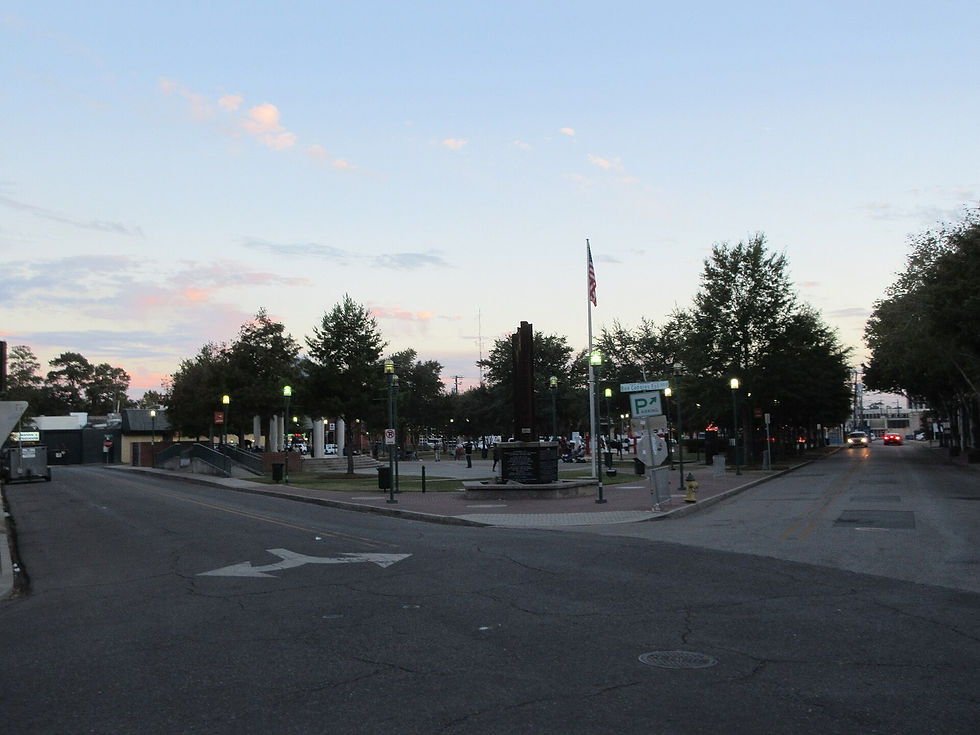
Lafayette's Black Cat Coffee House, operating with no official website since it opened in November 2023, offers a genuinely useful real world example of a question that comes up constantly for small, independent businesses: how much does a website actually matter if a business is already getting by without one.
The honest answer has two parts, a floor and a ceiling. There is a real, meaningful floor that a business can reach without a website at all, mostly through a claimed Google Business Profile and third party directories. There is also a real ceiling on what that floor can accomplish, one that no amount of directory optimization can push past. Understanding both halves of that answer clearly is more useful than a simple yes or no, and it applies to plenty of small businesses well beyond just this one Lafayette cafe.
The floor: what a Google Business Profile alone can do
A complete, claimed Google Business Profile can carry a business's name, address, hours, photos, and customer reviews, and it can genuinely show up in local search results and on Google Maps even without a linked website at all. This is a real, functional floor, not a consolation prize; plenty of small businesses operate successfully on exactly this foundation.
Third party directories add to that floor without any effort from the business itself. Yelp's page for Black Cat exists and carries some information, even though the listing remains unclaimed by the business. Directory sites will generally write up a NAP, name, address, phone, for any known business whether or not the operator ever logs in to confirm it, which means a basic locatability floor tends to exist for a real business almost regardless of what the owner does.
That floor is worth taking seriously. It means Black Cat is not literally invisible online, even without its own website; a search for the shop by name will likely surface something, even if that something was assembled by a third party rather than confirmed directly by the business. Dismissing that floor as worthless would understate how much genuine local discoverability a small business can achieve through these free, low effort tools alone.
The ceiling: what a Google Business Profile cannot do
A Google Business Profile cannot tell a shop's actual story. It has no space for the kind of detail that makes a place memorable, a founder who opened a shop at nineteen specifically to serve an underserved part of the city, a stated connection to animal shelter giving, the particular reason someone chose Moss Street over anywhere else in Lafayette. That narrative context simply has no home in a directory listing built around structured fields.
It also cannot rank for anything beyond the business's own name and the most generic possible searches, something like coffee near me. It has no ability to compete for a more specific, valuable search like best coffee northside Lafayette or Lafayette coffee shop with a real story, the kind of query where a well written page, with real content a search engine can actually parse and understand, would have a genuine chance to appear, a chance the directory listing alone simply does not have.
Perhaps most importantly for the moment we are currently in, a Google Business Profile is not something an AI answer system can cite the way it can cite a written page. When someone asks an AI assistant what makes northside Lafayette coffee worth the drive, that system needs actual sentences to draw from, and a structured directory listing with a phone number and a star rating simply does not provide that kind of citable material, no matter how complete or well maintained that listing happens to be.
Why Instagram does not close that ceiling gap either
Black Cat's Instagram account, at the handle blackcatcoffeehousela, is a genuinely active and useful channel for the business, carrying posted hours and presumably photos and updates that regulars already follow. But Instagram was not built to function as a canonical, crawlable source the way a website is, and it faces the same fundamental limitation as a directory listing when it comes to being cited by a search engine or an AI system.
A social media post can disappear from easy discovery within days as new posts push it down a feed. A website page, once built and properly indexed, tends to persist as a stable, findable reference for years, continuing to answer the same question for anyone who searches it long after the day it was written. That durability gap matters enormously for anything meant to represent a business's story long term.
None of this is a criticism of Instagram as a tool. It clearly works well enough for Black Cat to sustain a real, nearly three year old business. It simply cannot do the specific job a website does, no matter how actively the account gets used, and treating it as a full substitute for a website misunderstands what each platform was actually built to accomplish.
What the gap between floor and ceiling actually costs a shop
The practical cost of settling for the floor without ever reaching for anything higher shows up most clearly in exactly the situations a directory or a social account cannot handle: a curious visitor asking an AI assistant for a recommendation, a journalist looking for a detailed, quotable description of the business, a new resident trying to understand what makes one coffee shop different from another before ever walking in the door.
In each of those situations, a business sitting only on the floor, a Google Business Profile and an Instagram account, is functionally represented by whatever secondhand information a directory assembled or whatever a scattered social post happened to mention, rather than by its own clear, deliberate account of itself. That is a real cost, even if it is not one that shows up as an obvious, immediate problem day to day.
It is also a cost that compounds over time. Every year that passes without a canonical page representing the business is another year where outside sources, directories, secondhand mentions, an aging news feature, remain the fullest public account of what that business actually is, a gap that only grows harder to close the longer it sits unaddressed.
Respectful, not pity: reframing what closing this gap actually requires
None of this framing is meant as pity toward Black Cat or any similarly situated small business. Operating a real, sustained coffee shop for nearly three years on the strength of a Google Business Profile, a Yelp listing nobody at the business ever claimed, and an actively run Instagram account is a genuine accomplishment, not a failure that needs correcting out of concern, and it deserves to be described that way plainly.
What it does mean is that a real, achievable next step exists between where a business like this currently sits and a meaningfully stronger position. That step is not necessarily a large, expensive website overhaul. It can be a single, well built page: a name, an address, current hours, and a short, specific, well written description of the shop and its story, hosted somewhere a search engine can actually crawl it.
That single page would not replace the Google Business Profile or the Instagram account. It would sit alongside both, filling the specific gap neither of them was ever built to fill: giving the business a canonical, citable, lasting account of itself that belongs entirely to the business rather than to a directory or a social platform's algorithm, one it can update and control on its own terms going forward.
Why this matters beyond one Lafayette shop
Black Cat is the clearest example in this research, but the floor and ceiling pattern described here applies to any small, independent business trying to decide whether a website is worth the effort when a directory listing and a social account already seem to be working well enough. The honest answer is that both things can be true at once: the floor genuinely works for day to day discovery, and the ceiling genuinely limits how far that discovery can go.
Recognizing both halves clearly is more useful than either extreme, insisting every business desperately needs an expensive full website, or assuming a directory listing and an active social account are functionally equivalent to one. Neither extreme matches what this research actually found looking closely at one real example, and both extremes tend to lead a small business owner to the wrong next decision.
The honest, middle position, that a modest, well built page fills a real gap without requiring a business to abandon what already works, is the one worth taking seriously, for Black Cat specifically and for any small business facing the same underlying question.
How this floor and ceiling framing applies beyond Black Cat
Rêve and Jet, Lafayette's other two verified specialty coffee brands, both have websites, yet they face a related version of the same ceiling problem in a different form. A website that exists but lacks structured data, as with Rêve's partial markup or Jet's complete absence of coffee shop schema, still leaves a meaningful gap between the floor of merely having a domain and the ceiling of being clearly, confidently understood by a search engine.
That means the floor and ceiling framework used here for Black Cat's no website situation is really a special case of a broader pattern running through this entire Lafayette research: having some online presence, whether a directory listing, a bare website, or a partially structured one, gets a business to a real but limited floor. Reaching a meaningfully higher ceiling requires additional, specific work beyond just existing online in some form.
Seen that way, Black Cat's situation is not categorically different from Rêve's or Jet's, just further along the same spectrum. All three brands sit somewhere on a line between minimal floor and unreached ceiling, and all three would benefit from the same underlying kind of fix: specific, structured, well written content that a search engine can confidently use, rather than settling for whatever floor their current setup happens to provide.
A brief word on cost and effort, honestly stated
None of what this piece describes requires a large budget or a long project timeline to meaningfully improve on the current floor. A single, well written page with accurate, specific, honest content, hosted somewhere crawlable, is a modest undertaking compared to a full custom website build, and it would already close much of the gap described throughout this piece.
That modest scope matters because it removes the most common reason a small business puts this kind of project off indefinitely: the assumption that closing the gap requires a expensive, complicated overhaul rather than a focused, achievable step. For a business the size of Black Cat, a smaller, well scoped project is not just more affordable, it is also more likely to actually get finished rather than stalling out as an intimidating someday task, which matters more in practice than any theoretical ideal version of the fix.
Framing this honestly, as a real but modest step rather than either an unnecessary luxury or an overwhelming necessity, is the most useful way to think about closing the floor and ceiling gap for any small business genuinely considering it.
Related Reading
More from this Hillcane city series, plus the pages on the site that sit next to the work.
The Real Lafayette Coffee Map, and Why Google Still Cannot Draw It
Coffee Shop Marketing in Lafayette Has No Real Home Online Yet
Rêve Coffee's Different Rooms Across Lafayette, and What Ties Them Together
Inside The Hangar, Jet Coffee's Roasting Home Base in Lafayette
Black Cat Coffee House Has No Website, and Lafayette's Northside Deserves Better
What the Lafayette Coffee Festival's Classes Say About This City's Coffee Culture
Lafayette Journalism Tracks the Next Drive Thru, Not How to Market the Cafes Already Open
The Chain Drive Thru Lane Now Running Through Lafayette, Louisiana
What SCA Certification Actually Means, Explained Through Rêve in Lafayette
Jet Coffee's Four Lafayette Rooms and the Structured Data Opportunity Sitting in Front of Them
A Coffee Tour of Lafayette, Louisiana: Moss Street, Camino Real, and Jefferson Street
Frequently Asked Questions
Can a coffee shop survive with no website at all?
Yes, at least to a point. Black Cat Coffee House has operated for nearly three years in Lafayette relying on a Google Business Profile, an unclaimed Yelp listing, and an active Instagram account instead of a website, which represents a real, functional floor of basic discoverability.
What can a Google Business Profile actually do for a small business?
It can carry a business's name, address, hours, photos, and reviews, and it can appear in local search results and on Google Maps, even without a linked website. This is a genuine, working floor for basic local discoverability.
What can a Google Business Profile not do?
It cannot tell a business's actual story, cannot rank for more specific or valuable searches beyond the business's own name and the most generic queries, and cannot be cited by an AI answer system the way a written page with real sentences can be.
Is an active Instagram account a substitute for a website?
Not fully. Instagram works well for reaching existing followers and posting updates, but it was not built to function as a stable, crawlable, canonical source the way a website is, and individual posts can become hard to find again as new posts push them down a feed.
Why does an unclaimed Yelp listing still show up for a business?
Directory sites like Yelp will often generate a listing for a known business based on available information, whether or not the business itself has claimed or confirmed it. That means some basic locatability can exist for a business even without any direct effort from the owner.
What is the minimum a small business could build to close this gap?
A single, well built page listing the business's name, address, current hours, and a short, specific, well written description would already close most of the practical gap between a directory listing and a fuller online presence, without requiring a large or expensive website project.
Does building a website mean giving up on Google Business Profile or Instagram?
No. A website page would sit alongside both, not replace them. Each serves a different purpose: the profile for structured local search data, Instagram for ongoing social engagement, and a website page for the durable, citable story neither of the other two was built to hold.
Why does AI search make this gap matter more now?
AI assistants answering questions like what makes a certain neighborhood's coffee worth visiting need actual written sentences to draw from. A structured directory listing or a social media bio does not provide that kind of citable material the way a written page does.
Is relying only on a Google Business Profile a mistake for a small business?
Not necessarily a mistake, but it does come with a real limitation. It works well for basic local discoverability and has sustained real businesses like Black Cat for years. The limitation shows up specifically when someone is looking for more detailed, story driven, or AI cited information.
What is the honest takeaway about websites for small independent businesses?
Both things can be true: a directory listing and an active social account genuinely work for day to day discoverability, and they genuinely have a ceiling that limits deeper visibility. A modest, well built webpage closes that gap without requiring the business to abandon what already works.
Work with Hillcane
A Google Business Profile can put a Lafayette coffee shop on the map, but it cannot tell the story that makes that shop worth the drive.
We help small independent businesses build the one canonical page that fills the gap a directory listing and a social account were never built to close.
Reach out at hillcane.co or (256) 384-2449.


Comments