One Website, Two Real Neighborhoods: What East Pole's Two Cafes in Atlanta Are Actually Competing For


East Pole Coffee Co. runs two genuinely different Atlanta rooms, one in Armour Yards near Buckhead and one in Poncey Highland, off a single shared website. That is a common, understandable growth pattern, and it is worth using as the real example for a broader question every cafe eventually faces once it opens a second location: does Google know where I am, or does Google know I am in two different places, each worth its own answer.
Those are two genuinely different questions, and most growing cafes answer the first one well before they ever get around to answering the second. East Pole's Armour Yards room and its Poncey Highland room are not the same business experience, sitting in different neighborhoods with different foot traffic patterns and different neighbors, and treating them as one undifferentiated location on the website leaves real search visibility on the table for both.
This post walks through what changes once a cafe crosses that one to two threshold, why East Pole's specific situation is a clean, real example of it, and what a corrected two location website structure should actually contain.
The Moment Everything Changes: One Location to Two
A single location cafe has a relatively simple website job. It needs one accurate address, one accurate set of hours, and one clear description of what makes it worth visiting. Most cafes that started as a single location built their website around exactly that simpler job, and it usually worked well enough, because there was only ever one place the business needed to describe.
The moment a second location opens, that simplicity disappears, whether or not the website changes to reflect it. Suddenly there are two addresses, potentially two sets of hours, and two different neighborhoods each with their own search behavior. A website built for the single location era, even if updated to mention the new address, often keeps the same underlying structure: one homepage trying to describe a business that now operates in two genuinely different places.
That structural mismatch is exactly what has happened with East Pole. The business grew successfully, opening a second real room in Poncey Highland after establishing itself in Armour Yards near Buckhead, but the website's underlying architecture has not caught up to that growth. It still speaks as if there is one story to tell, when there are now two.
What Armour Yards and Poncey Highland Actually Need Separately
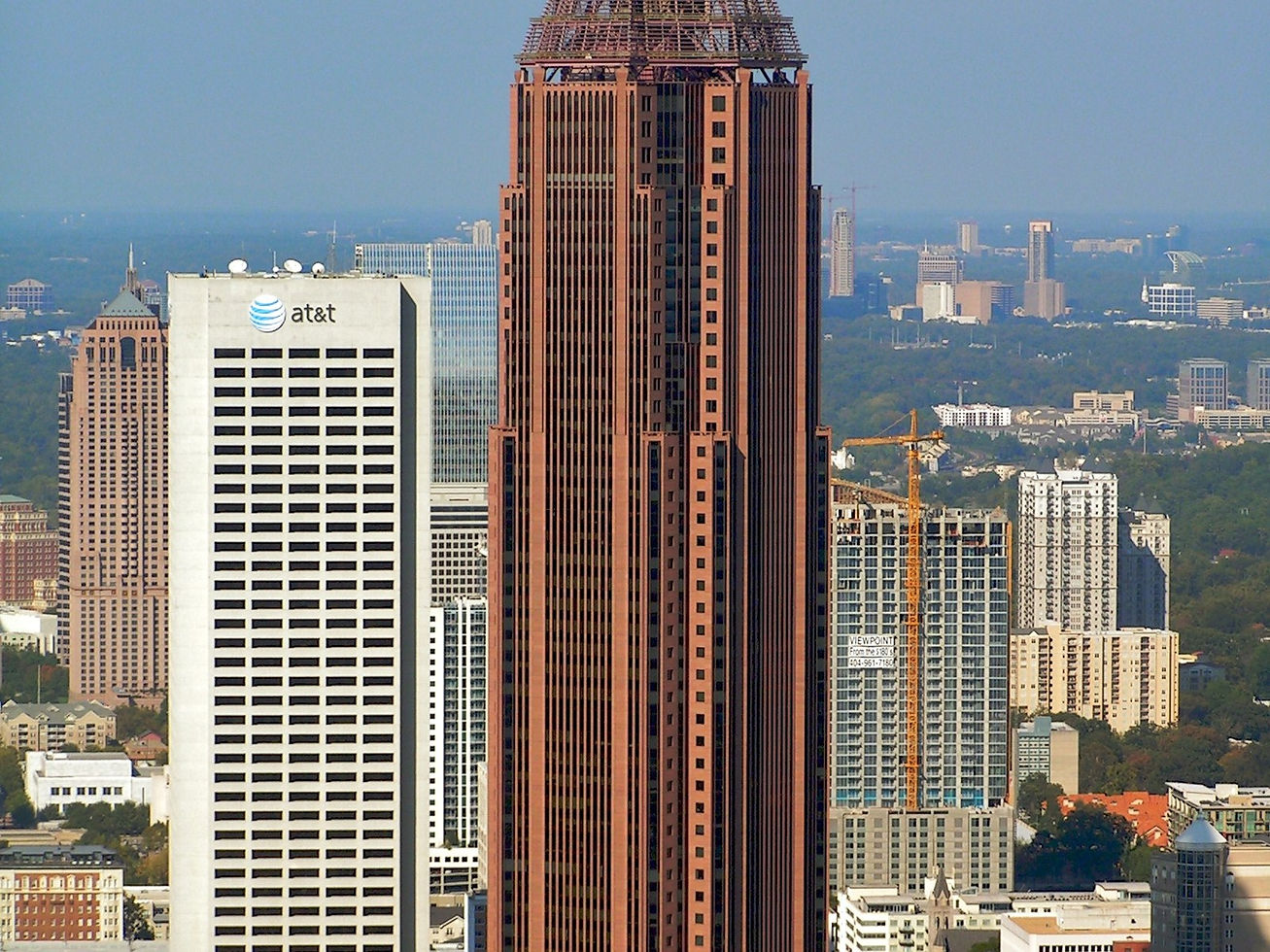
Armour Yards sits close to Buckhead, one of Atlanta's most commercially dense, highest rent neighborhoods, drawing a customer base likely weighted toward office workers, shoppers, and a more affluent daytime population. A search for coffee near Buckhead or coffee near Armour Yards reflects that context, and a page built specifically for this location should speak to it directly, naming the actual commercial environment and the kind of quick, convenient visit that customer base typically wants.
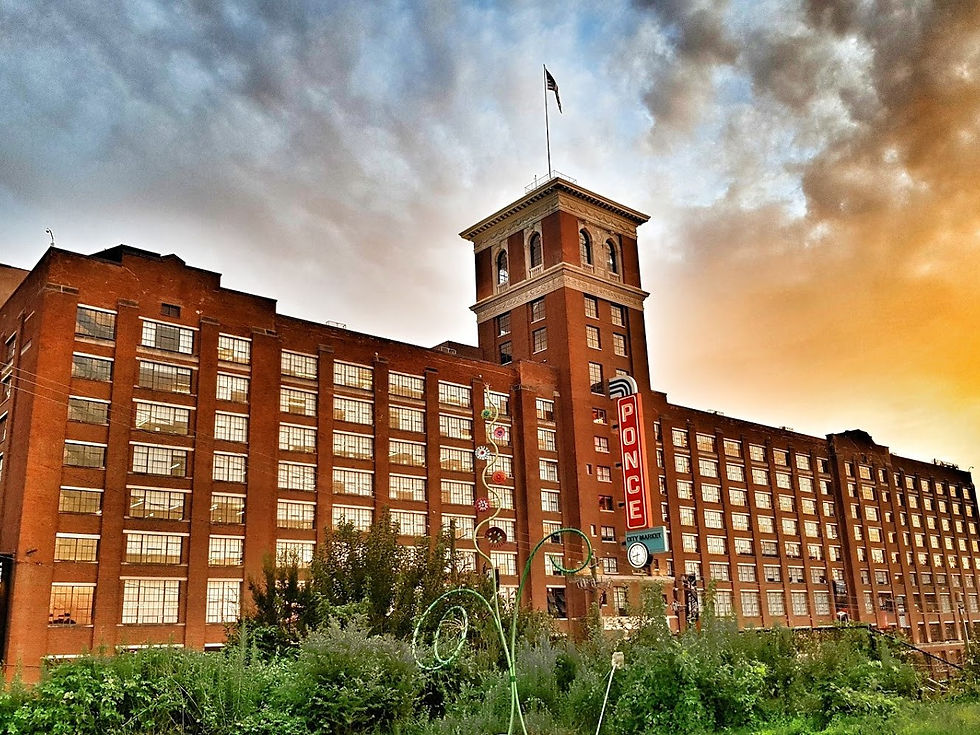
Poncey Highland is a different kind of neighborhood entirely, more residential and closer in character to the walkable, BeltLine adjacent neighborhoods covered elsewhere in this cluster. A search for coffee near Poncey Highland reflects a different customer intent, likely weighted more toward residents and regulars on foot than toward office workers grabbing coffee between meetings. A page built for this location should speak to that different context just as specifically.
Right now, with one shared page covering both, neither of these distinct customer contexts gets addressed directly. The page has to speak in generalities that could describe either location, which means it under serves both rather than fully serving one at the expense of the other.
Why This Is Not a Mistake, Just an Unfinished Step
It would be unfair to describe this as East Pole doing something wrong. Plenty of good cafes grow exactly this way, opening a second location because the business and the opportunity justified it, well before anyone stopped to ask whether the website's structure still made sense for a two location business. This is one of the most common patterns this cluster has come across while researching Atlanta's coffee scene, and it is entirely understandable given how much else a growing cafe has to manage.
The growth itself is the achievement worth recognizing here. East Pole successfully identified and opened a second viable location in a genuinely different Atlanta neighborhood, which is a real business accomplishment most single location cafes never attempt. The website gap is simply the next, smaller step in that same growth story, not a sign that anything about the expansion itself went wrong.
Framing it this way matters because it changes how the fix should feel to the business owner. This is not damage control for a mistake. It is finishing a step that naturally comes after opening a second location, one that most growing businesses in any industry eventually have to address once they outgrow their original single location website structure.
What a Two Location Website Structure Should Actually Look Like
The practical fix is a location page structure rather than a single homepage trying to cover everything. A shared homepage can still introduce the East Pole brand as a whole, its overall identity, its coffee sourcing, its general story, while two separate location pages each handle the specific neighborhood details: the Armour Yards page naming its Buckhead adjacent commercial context, and the Poncey Highland page naming its more residential, walkable character.
Each location page should carry its own schema markup as well, identifying each address as its own CafeOrCoffeeShop entity with its own hours and its own specific location details, rather than relying on one shared schema block that has to generalize across two different addresses. That structural change gives Google, and any AI system summarizing local options, a much clearer picture of exactly what exists at each address.
None of this requires a full website rebuild or a new brand identity. It requires adding two location specific pages to an existing site structure, each one written with the same neighborhood specificity this cluster has argued for throughout every other post, and letting the shared homepage do the simpler job of introducing the overall brand rather than trying to carry both neighborhoods' worth of detail on its own.
Why This Fix Matters More as East Pole Potentially Grows Further
East Pole's history covered elsewhere in this cluster, including its past role hosting U.S. Coffee Championships prelims, suggests a business with real ambition and real credibility within Atlanta's competitive coffee community. A business with that kind of trajectory is a reasonable candidate for further growth, whether that means a third location or simply continued success at its current two, and either outcome benefits from a website structure that already scales cleanly.
Building the correct two location website structure now, before any potential third location, establishes a scalable pattern rather than requiring a bigger, more disruptive restructuring later once there are three or four addresses all sharing one increasingly strained homepage. Getting this right at two locations is meaningfully easier than trying to untangle it at four, the exact scale where Bellwood Coffee already operates.
That is the practical, forward looking case for treating this fix as a priority now rather than a someday project. East Pole has already done the hard part, building a real, credible two room specialty coffee business in two genuinely different Atlanta neighborhoods. The website simply needs to catch up to and support that success, the same lesson running through nearly every post in this cluster.
How This Pattern Shows Up Elsewhere in Atlanta's Coffee Scene
East Pole is not the only multi location cafe in this cluster facing a version of this same challenge. Condesa Coffee runs two rooms, one on Dobbs Avenue in Old Fourth Ward and one on Boulevard in Grant Park, and Bellwood Coffee runs five locations spanning Riverside, East Atlanta Village, Decatur, Grant Park, and a Peachtree lobby. Each of these businesses faces some version of the same underlying question: does the website structure reflect the fact that the business now operates in multiple, genuinely distinct neighborhoods, each deserving its own specific page and its own honest answer to a nearby search.
Bellwood, given its scale, likely has more pressure to get this right than a two location shop like East Pole or Condesa, simply because five locations sharing one undifferentiated page would create an even more diluted, generic experience than two locations sharing one. A five location brand has a stronger case for a fully built out location page system than a two location brand does, though both benefit from the same underlying structural fix, and both are leaving some amount of neighborhood specific search traffic unclaimed right now.
The consistency of this pattern across multiple real Atlanta cafes suggests it is a genuinely common blind spot in how growing specialty coffee businesses build their websites, not a mistake specific to any one operator. That is useful context for East Pole specifically: this is a normal growing pain shared by some of the most successful multi location coffee brands in the city, not a sign of falling behind, and fixing it puts East Pole ahead of most of its multi location peers rather than merely catching up.
The Cost of Leaving Two Real Neighborhoods Under Described
Every day that East Pole's website continues describing both locations in shared, general terms is a day where searches specific to Armour Yards or specific to Poncey Highland are being answered less precisely than they could be. That cost compounds slowly rather than showing up as a dramatic, visible failure, which is exactly why it tends to persist for years on otherwise successful, well run businesses, the same quiet, invisible cost this cluster has described at nearly every other shop it has covered.
Fixing it does not require pausing operations or undertaking a disruptive rebuild. It requires adding the missing location specific pages to an existing, working website, a project that can happen entirely in the background while both cafes continue serving customers exactly as they already do. The upside accrues gradually, the same way Green Beans ATL's or Chrome Yellow's would, as search engines and AI answer engines increasingly have two clear, specific pages to draw from instead of one generalized one.
A Simple Test for Whether a Multi Location Site Needs This Fix
Any cafe owner unsure whether their own multi location website has this problem can run a simple test: read the homepage and ask whether a stranger could tell, from the text alone, which specific streets, which specific neighbors, and which specific reasons to visit apply to each individual location. If the answer for every location is essentially the same generic paragraph with a different address swapped in, the site almost certainly has this gap, and that gap is worth closing before it costs any more unclaimed search traffic than it already has.
If instead each location has its own distinct description naming its own cross streets, its own nearby landmarks, and its own specific character, the site has likely already solved this problem, whether or not the owner ever thought about it in these exact terms. East Pole's current shared page fails that test clearly, which is precisely what makes it such a useful, concrete example for this entire discussion, and precisely why fixing it is worth doing sooner rather than later.
Related Reading
More from this Hillcane city series, plus the pages on the site that sit next to the work.
The Schema Markup Some of Atlanta's Best Coffee Shops Already Have
Portrait Coffee Is Publishing Real Content. Almost Nobody Else in Atlanta Is.
Bellwood and Spiller Park Don't Need Hillcane. Here's Who Does, in Atlanta.
From Grant Park to the BeltLine: What Atlanta's Coffee Scene Actually Looks Like Up Close
We Searched Coffee Shop Marketing Atlanta. The Shelf Isn't Empty, But There's Still a Gap.
Old Fourth Ward Is Atlanta's Coffee Corridor, and It's Not Slowing Down
Kirkwood to East Atlanta Village: The Coffee Corridor Buckhead Guides Skip
Why Coffee Shop in Grant Park Deserves Its Own Page in Atlanta
Foxtail Is in Buckhead and Midtown, Atlanta. Your Neighborhood Is Next.
Chrome Yellow Has 936 Google Reviews. Here's What That Number Is Actually Worth in Atlanta.
The Barista Competitions and Training Labs Most Atlanta Coffee Drinkers Never Hear About
Frequently Asked Questions
How many Atlanta locations does East Pole Coffee Co. run?
Two. One in Armour Yards near Buckhead and one in Poncey Highland, currently sharing a single website that covers both locations together.
Why is sharing one website a problem for a two location cafe?
A single shared page has to generalize across two different neighborhoods with different customer bases, which means neither location gets a page specific enough to fully address its own actual search context.
Is East Pole doing something wrong by sharing one page?
No. This is a common, understandable growth pattern. Many cafes open a second location successfully before revisiting whether their website structure still fits a two location business.
What is different about East Pole's Armour Yards and Poncey Highland locations?
Armour Yards sits close to Buckhead's dense commercial environment with a customer base likely weighted toward office workers and shoppers. Poncey Highland is more residential and walkable, closer in character to other BeltLine adjacent neighborhoods.
What should a corrected East Pole website structure look like?
A shared homepage introducing the overall brand, plus two separate location specific pages, each with its own schema, its own neighborhood details, and its own reason to visit.
Does each location need its own schema markup?
Yes. Each address should be identified as its own CafeOrCoffeeShop entity with its own hours and location details, rather than one shared schema block generalizing across both addresses.
Why does this fix matter more if East Pole grows to a third location?
Establishing a correct, scalable two location page structure now is far easier than untangling one shared homepage covering three or four locations later, once the structure is even more strained.
Does East Pole have other notable history worth featuring on its website?
Yes. East Pole has previously hosted U.S. Coffee Championships prelims, a real credibility marker within Atlanta's competitive coffee community that is not currently prominent on its website.
Is this problem unique to East Pole among Atlanta cafes?
No. It is one of the most common patterns this cluster has found while researching growing Atlanta cafes, and the same fix applies to any multi location shop sharing one undifferentiated page.
How can Hillcane help a two location cafe like East Pole?
Hillcane can build separate, neighborhood specific location pages with correct schema for each address, while keeping a shared homepage for the overall brand story. Reach out at hillcane.co/contact or call (256) 384-2449.
Work with Hillcane
East Pole runs two genuinely different Atlanta cafes off one shared page. Once a cafe crosses from one location to two, the website's job changes completely.
If your Atlanta cafe has grown to two locations and your website has not caught up, reach Hillcane at hillcane.co/contact or call (256) 384-2449.
Reach out at hillcane.co or (256) 384-2449.


Comments