State of the Coffee Scene in The Shoals

Updated: 1 day ago
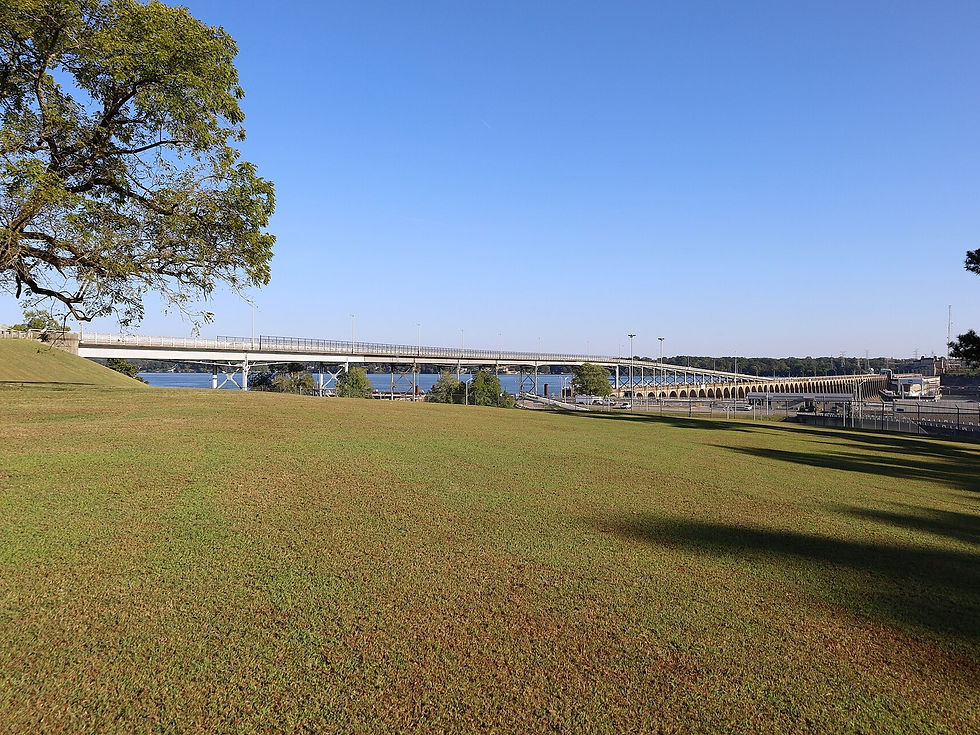
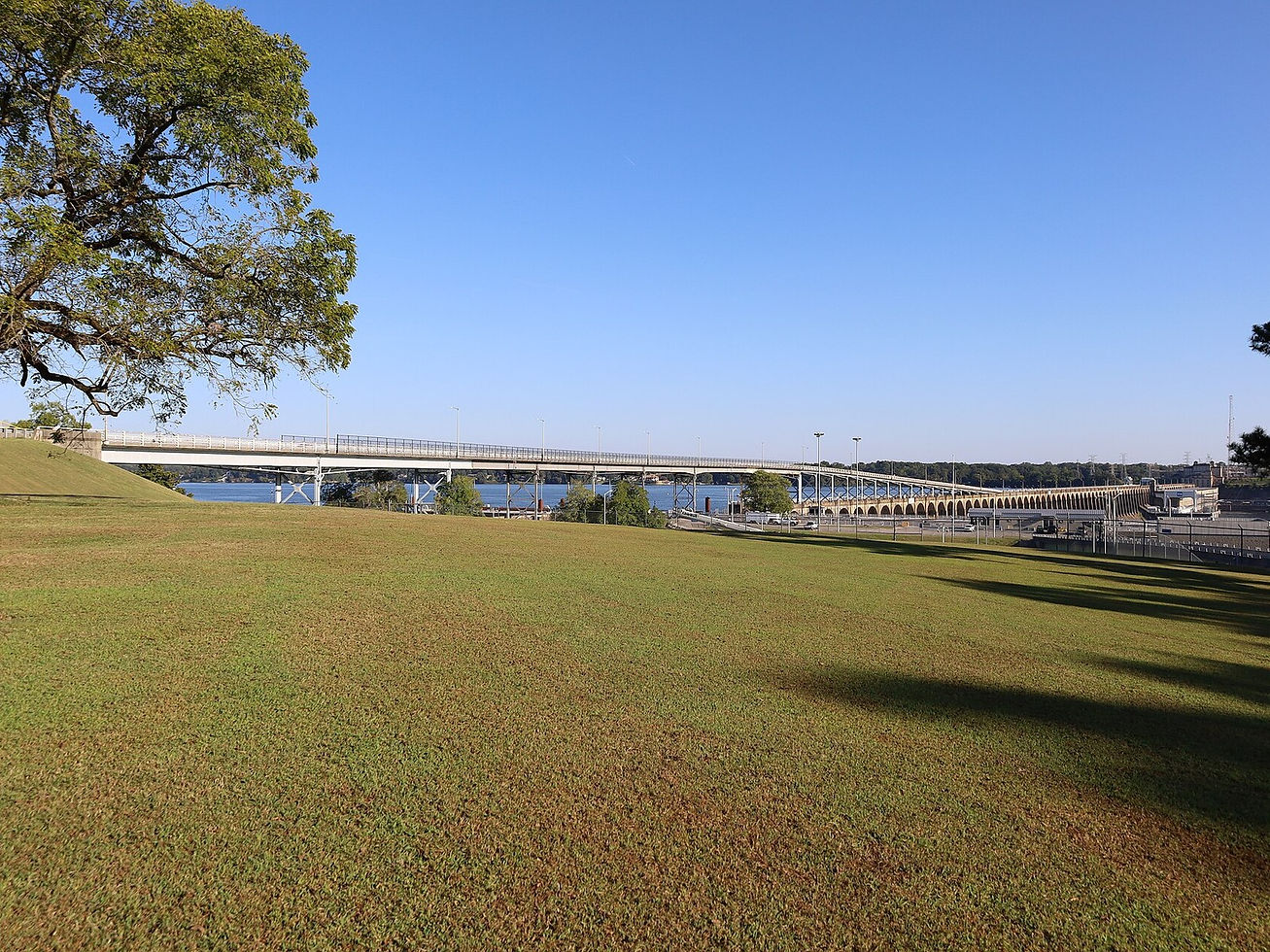
Drive across the Tennessee River bridge from Sheffield into Florence on a Saturday morning and you will pass through what feels, to anyone actually living here, like a single unbroken town. The storefronts change, the street signs change, but the rhythm of the place does not. A regular grabbing coffee before a shift does not think of themselves as crossing from one city into another. They think of themselves as going to get coffee, the way anyone would in any single neighborhood of any single town.
That lived experience is exactly what makes The Shoals such an interesting case study, and exactly what makes it so easy to misunderstand from the outside. On paper, this is four separate municipalities: Florence, Muscle Shoals, Tuscumbia, and Sheffield, each with its own city government, its own boundaries, and its own name on a map. In practice, for the people who live and work here, it is one functional coffee market, stitched together by bridges, short drives, and decades of shared history.
Florence is the largest of the four at 41,231 residents, with Muscle Shoals at 16,670, Sheffield at 9,334, and Tuscumbia at 9,084, each figure drawn from 2023 Census estimates and each one standing on its own rather than being folded into a single combined metro number. Those four populations, taken together without being summed, describe a real market with real scale, anchored by a university and carrying a music history that draws visitors from well outside Alabama.
Three Real Names Worth Knowing
Companion Coffee Roasters anchors the Seven Points area of Florence at 1210 North Wood Avenue, a small batch roasting operation that opened with a documented grand opening in early March of 2023. The University of North Alabama's own student newspaper, The Flor-Ala, covered that opening directly, describing a wholesale first roaster that built a café attached to it so customers could taste the same coffee going out to other accounts around the region. That detail matters for understanding what kind of business this actually is: the cafe exists because the roasting operation exists, not the other way around, which shapes everything from the language on the homepage to the way the space itself is likely laid out.
Rivertown Coffee Co. sits downtown on Seminary Street, a fixture that has run continuously since October of 2004. That is two decades of owner operated history in one storefront, run by John Cartwright under the simple line Coffee For Everyone, the kind of longevity that very few independent cafes anywhere in this research can claim. Twenty years in one location means this shop has outlasted multiple economic cycles, multiple shifts in how people discover local businesses, and almost certainly multiple waves of new competition. That kind of staying power is its own credential, earned one regular customer at a time long before search engines mattered to a business like this at all.
Turbo Coffee's Florence flagship sits at 312 East Tennessee Street, one room in a genuinely four city regional brand that also runs locations in Tuscaloosa, Huntsville, and out at Seagrove Beach along Florida's 30A corridor. That makes Turbo a different kind of business than the other two, a small regional operation with a real footprint stretching well beyond The Shoals itself. Where Companion and Rivertown are defined by their single, specific address, Turbo has to think about its Florence room as one node in a larger brand, which is its own kind of complication when it comes to making sure each location's own page speaks specifically to its own city.
Anchored by a University and a Music Legacy
The University of North Alabama gives Florence a steady stream of students, faculty, and campus visitors who form a genuine, renewable customer base for any cafe close enough to campus to catch that foot traffic. That is a structural advantage a lot of small Alabama markets simply do not have, and it shows up in how a shop like Companion talks about its own neighborhood, since Seven Points sits close enough to campus life to draw on that population without being defined entirely by it.
Layered on top of that university presence is something rarer: a real, internationally known music tourism draw. Visitors travel here specifically because of the region's recording studio history, a legacy documented well enough that the area earned formal recognition as a National Heritage Area. That is not a marketing claim. It is a documented, federally recognized designation, and it means a meaningful share of any given day's coffee customers in this market are people who came from somewhere else entirely, drawn by history rather than proximity.
For an owner thinking practically about what this means day to day, it is worth separating these two customer bases in your head, because they behave differently. A student walking from campus already knows the neighborhood, already has a favorite order, and is making a habitual, repeat decision. A music tourist stepping off a studio tour is making a first time decision with no prior context at all, relying entirely on whatever a phone search or a quick glance down the street tells them. A cafe's website has to work for both of these people, and right now, as this research shows, most of the audited sites in this market are not built with either kind of searcher clearly in mind.
One Functional Market, Four Search Terms
Here is the honest complication worth naming plainly: splitting one functional coffee market across four separate municipal names creates real search confusion that has absolutely nothing to do with the quality of the coffee being served. A visitor searching for coffee in Florence, coffee in Muscle Shoals, coffee near Sheffield, or coffee in Tuscumbia is, in practical terms, often asking about the same general area, but a search engine treats each of those four queries as its own distinct question, with its own distinct set of results.
This is where the lived experience of driving across a bridge without thinking about it and the mechanical reality of how a search engine parses a query start to diverge in ways that matter for a business's bottom line. A search engine has no concept of a functional market. It has cities, addresses, and the text on a page, and it makes decisions about relevance based on how precisely those pieces line up with whatever someone typed.
All three of the audited cafes with live, findable websites in this pass carry Florence addresses specifically. Muscle Shoals, Tuscumbia, and Sheffield each have their own coffee presence at some level, but none currently has an independent specialty cafe with the kind of live, findable website that would let it compete directly on its own city's search term. That means a real gap exists on the other side of the river and in the smaller surrounding towns, not because the coffee is not there, but because the online presence to match a specific city name is not.
Why This Texture Matters More Than a Ranked List
A single citywide best coffee in The Shoals post would flatten all of this into one undifferentiated list, as if Seven Points, Seminary Street, and a four city regional brand's flagship room are all answering the same question for the same searcher. They are not. A UNA student walking from campus, a music tourist stepping off an Incline style studio tour, and a longtime Seminary Street regular are three genuinely different people typing three genuinely different searches, and each deserves a page written for exactly that context.
This is the practical difference between a website that exists and a website that actually does work for a business. A homepage that simply states an address is doing the bare minimum. A page that speaks to the specific neighborhood, the specific kind of visitor, and the specific reason someone would choose this exact spot over the two or three other reasonable options nearby is doing something meaningfully different, and it is the kind of specificity that both search engines and real human visitors respond to.
What a Fuller Picture Would Actually Require
None of the gaps described here require reinventing what these businesses already are. Companion does not need to stop being a wholesale first roaster with a tasting room attached. Rivertown does not need to pretend it roasts its own beans when it does not. Turbo does not need to hide the fact that it is part of a larger regional brand. What each of them needs is a website that says these true things clearly, specifically, and in a format a search engine and a real visitor can both actually use.
That is a smaller, more achievable task than it might sound. It does not require new coffee, new branding, or a new location. It requires taking the real story each of these businesses already has, the 2023 opening in a growing neighborhood, the two decades on Seminary Street, the four city regional footprint, and putting it into the specific pages that are currently missing across this market.
The Bridge Test
There is a simple way to picture what is actually at stake here. Imagine a music tourist standing on the Sheffield side of the Tennessee River, having just finished a studio tour, typing coffee near me into a phone. That single query has to somehow surface the right room among Companion in Seven Points, Rivertown on Seminary Street, and Turbo on East Tennessee Street, despite the fact that all three carry a Florence address and none of them currently has a page written specifically for someone standing exactly where this visitor is standing, on the other side of a bridge they may not even realize they are about to cross.
That same visitor, if they had instead typed coffee in Sheffield, would find an even thinner result, since no independent specialty cafe in this research currently holds a live, findable web presence built around that specific city name. The bridge test is a useful way to keep this problem concrete: every fix described in this piece should be judged by whether it actually helps that one visitor, standing at that one spot, find the right door.
Where This Series Goes Next
The rest of this cluster works through each piece of this picture in more detail: the specific execution gap on the market's single most reviewed cafe, the newer Seven Points neighborhood forming around Companion, the real but limited chain pressure from Dutch Bros, 7 Brew, and Scooter's, and the small business resources already available through UNA and the Shoals Chamber that stop just short of addressing a coffee shop's specific search problem.
None of those posts require treating The Shoals as four separate, disconnected topics. They treat it as what it actually is: one real coffee market, three well documented businesses with genuinely different stories, and a shared, fixable gap between how good this market already is and how well that quality currently shows up online, a gap that is far more about missing titles and structured data than about anything a customer would notice standing at the counter.
Related Reading
More from this Hillcane city series, plus the pages on the site that sit next to the work.
What Shows Up When You Search Coffee Shop Marketing in The Shoals
The Shoals Has a Music Tourism Story. Does Your Cafe Get to Be Part of It?
When One 7 Brew Isn't the Whole Story: Chain Coffee in The Shoals
Small Business Help at UNA's Doorstep (and the Coffee Sized Gap in It) in The Shoals
Your Google Business Profile Should Work As Hard As Your Regulars Do in The Shoals
Why Isn't My Shoals Coffee Shop Showing Up for Its Own Name?
Four Cities, One Coffee Scene: The Search Problem Nobody Talks About in The Shoals
Reviews Prove You're Loved. They Don't Prove You Exist to Google in The Shoals
Frequently Asked Questions
Is The Shoals one city or several?
The Shoals refers to a functional market spanning four separate municipalities: Florence, Muscle Shoals, Tuscumbia, and Sheffield. They sit close together along the Tennessee River and function as one area for daily life, with residents moving between them constantly, but each is its own city with its own name, its own local government, and, critically for search purposes, its own search term that a search engine treats as entirely distinct from the others.
How big is Florence compared to the other three cities?
Florence is the largest at 41,231 residents, followed by Muscle Shoals at 16,670, Sheffield at 9,334, and Tuscumbia at 9,084, based on 2023 Census estimates. These four figures describe real, separate populations and should never be added into one combined metro number, since doing so would misrepresent how people in this research actually search for things like coffee shops.
What makes Companion Coffee Roasters distinctive?
Companion roasts in house in the Seven Points area of Florence and opened with a documented grand opening in early March of 2023, building a café attached to what started as a wholesale first roasting operation. That origin story shapes the business today, since the cafe exists as an extension of the roasting work rather than the primary focus on its own.
How long has Rivertown Coffee Co. been open?
Rivertown has operated on Seminary Street in downtown Florence since October of 2004, making it one of the longest running independent cafes in this entire research market. That kind of sustained, owner operated history across two decades is a genuine credential in its own right, reflecting real customer loyalty built long before online search mattered to a business like this.
Is Turbo Coffee a local Shoals business?
Turbo Coffee runs its Florence location as part of a small regional brand with additional rooms in Tuscaloosa, Huntsville, and along Florida's 30A corridor near Seagrove Beach, making it a genuinely multi city operation rather than a single location shop. That regional structure means its Florence room has to work harder to establish its own local identity separate from the broader brand.
What is the music tourism connection in this area?
The Shoals holds a real, well documented recording studio legacy significant enough to earn formal National Heritage Area recognition, drawing visitors specifically for that music history rather than any other reason. That designation is federally recognized, not a marketing claim, and it brings a genuine, ongoing stream of first time visitors into this coffee market.
Does the University of North Alabama affect the coffee scene?
Yes, the university gives Florence a steady, renewable base of students, faculty, and campus visitors, which is a real structural advantage for cafes located near enough to catch that regular foot traffic. That customer base behaves differently from a first time music tourist, since students are making habitual, repeat decisions rather than first time ones.
Why does splitting one market across four city names create a problem?
A search engine treats coffee in Florence and coffee in Muscle Shoals as two entirely separate questions, even though the actual distance between them is small enough that residents move between the four cities constantly without a second thought. That mechanical reality means a business optimized only for one city name can be effectively invisible to someone searching a neighboring city's name, even if that person would happily make the short drive.
Do any of the three main cafes serve Muscle Shoals, Tuscumbia, or Sheffield directly?
The audited cafes with live, findable websites in this pass all carry Florence addresses. None of the other three cities currently has an independent specialty cafe with a comparably live, findable web presence, which represents a real, documented gap on that side of the market rather than a claim that no coffee exists there at all.
How can Hillcane help a Shoals coffee shop navigate this four city search problem?
Hillcane can help build pages that honestly speak to the specific city and neighborhood a shop actually sits in, while still accounting for how visitors search across all four names. That means taking a business's real story, whether that is a 2023 roastery opening or two decades on Seminary Street, and turning it into pages a search engine can actually use. Reach out at hillcane.co/contact or call (256) 384-2449.
Work with Hillcane
Four Alabama cities share one coffee scene and four separate search results. That gap has nothing to do with the coffee itself.
If your Shoals coffee shop needs a page built for how people actually search across Florence, Muscle Shoals, Tuscumbia, and Sheffield, reach Hillcane at hillcane.co/contact or call (256) 384-2449.
Reach out at hillcane.co or (256) 384-2449.


Comments