Why the Street Address Belongs on a Cafe Homepage, Not Only on Maps


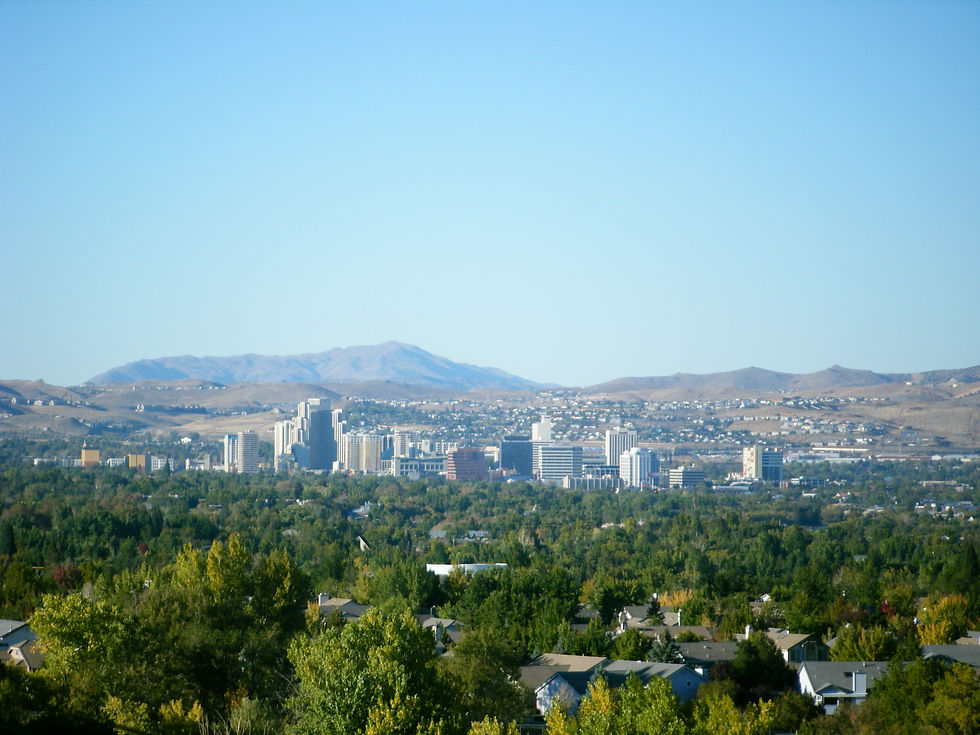
Photo: Ken Lund from Reno, Nevada, USA, CC BY-SA 2.0, via Wikimedia Commons
Picture a small cafe's homepage. The header photo is warm and well shot. The copy talks about the coffee, the care that goes into each cup, and the feel of the room. There is a line about the hours, printed clearly, right there on the page. What is missing is the one thing a first time visitor actually needs before any of the rest matters: the street address, printed as plain text, somewhere a person can read it.
This is not a rare mistake, and it is not really a mistake in the sense of carelessness. It happens because a homepage gets built around telling a story, the roast, the craft, the feel of the room, and the practical logistics, where exactly is this place, get quietly assumed to live somewhere else. A map embed handles that, the thinking goes, or Google will just know. Sometimes that is true. Often it is not, and the gap it leaves behind costs a shop more real visits than the missing detail seems like it should.
I want to be clear about the spirit of this post before getting into the details. This is not a takedown of any specific cafe, and it is not built around naming one. It is a plain, practical pattern worth walking through carefully, because it is common enough that almost any coffee shop owner reading this can check their own homepage against it in the next five minutes and know immediately whether it applies to them.
What This Actually Looks Like
Here is the general pattern, stripped of any one business, because it shows up often enough across small coffee shop sites that it is worth describing plainly. A homepage opens with a strong photo and a short, well written mission statement about the coffee. Scrolling further finds the hours, printed clearly, often with a bit of personality attached. What does not appear anywhere in the visible, readable text of the page is the street and number.
Sometimes the address technically exists on the page, tucked inside the source code of an embedded map, readable to a browser but invisible to a person actually scanning the screen. A visitor sees a map, maybe even a pin, but no printed street name and number they can glance at, remember, or copy into a text message to a friend meeting them there. The address is present in a technical sense and absent in every practical one.
Try the actual test yourself on any homepage: open it, do not click or scroll, and see if you can state the street address out loud within three seconds. On a well built cafe site, that is trivial, the address sits right there in plain text. On a site following this pattern, you cannot do it at all without hunting, zooming into an embedded map, or opening a separate tab to search the shop's name directly. That three second test is a genuinely useful way to spot the gap on any site, including your own.
Why This Happens More Than It Seems Like It Should
Nobody builds a homepage intending to hide their own address. It happens because of how naturally a map embed feels like it is already doing that job. A map with a pin looks, at a glance, like it has communicated the location. It has not, not fully. A pin on an interactive map communicates location to someone already looking closely, scrolling, maybe zooming in. It does not communicate location to someone skimming the page in five seconds on their phone, which is how most people read most cafe homepages.
There is also a simple reason the hours so often make it onto the visible page while the address does not. Hours feel like content, something worth writing a friendly sentence about, and open every morning has a warmth to it that a bare street number does not. An address can feel like plumbing, necessary but not worth dressing up, so it gets left to the map embed to handle in the background. That instinct is understandable and it is also exactly backward, because the address is the one piece of information a first time visitor cannot get anywhere else on the page if it is missing.
There is a version of this that plays out constantly in web design generally, not just for coffee shops. Whatever feels most like storytelling gets the most attention and the most polish, and whatever feels most like logistics gets treated as a background detail handled by some other tool. A menu gets a whole page. The founding story gets a whole page. The address, arguably the single most decision critical fact on the entire site for a first time visitor, ends up as an afterthought baked into a widget nobody double checks.
Why Maps and Yelp Are Not Enough on Their Own
The assumption that Maps and Yelp already cover this is reasonable on its face and wrong in practice. A drinker who finds a shop through a Yelp search or a Google Maps listing does often see the address there, correctly. But that is not the only path a person takes to find a cafe. Plenty of visitors arrive at a homepage directly, through a shared link, a mention in a local news story, a friend's text with just the shop's name. None of those paths guarantee a stop at Maps first.
And even when a visitor does check Maps first, they often still click through to the homepage afterward, wanting to confirm hours or see the menu before committing to the drive. If that homepage does not repeat the address, plainly, in text, the visitor is left trusting whatever they half remember from the map a few taps ago rather than having it confirmed in front of them. That small gap, a moment of uncertainty right before someone gets in their car, is exactly the kind of friction that quietly costs a shop a visit.
There is also a longer term cost worth naming. A search engine trying to understand what a page is about, and where the business it describes sits, reads visible text far more reliably than it reads the contents of an embedded map widget. A homepage that never states its own street address in plain text is handing a search engine less to work with than it could be, which matters well beyond any single visitor's experience. It affects how easily the page surfaces for exactly the kind of specific, street level search that matters most.
Why It Matters More Off the Main Strip
This gap matters everywhere, but it matters more for a cafe that is not on the most obvious or most photographed street in town. A cafe on a major, instantly recognizable avenue can lean a little on general familiarity, because everyone already has a rough sense of where that street runs. A cafe on a working side street, in a business park suite, or up a flight of stairs benefits far more from spelling out exactly where it sits, because fewer visitors already have that spot mapped in their head.
A drinker searching for a coffee shop on a specific street, rather than a general citywide search, is already telling you something valuable: they know roughly where they want to be, and they are trying to confirm the exact spot. That is close to the easiest kind of visitor a cafe can convert, someone already nearby and already interested. Leaving them without a plainly printed address on the actual homepage, right when they are trying to confirm they have the right block, is a genuinely avoidable way to lose that easy visit.
It is worth remembering that a search for a specific street name is a much smaller, much more targeted search than a general citywide one, which is exactly why it deserves a targeted answer. Someone typing a street name into a search bar has usually already made most of their decision. They are not comparing five cafes across the city anymore. They are confirming the last detail before walking in the door, and a homepage that fails to confirm it plainly is asking that nearly converted visitor to do extra work at the exact moment they should need to do the least.
The Fix Is Small and Fast
None of this requires a redesign. It requires one clearly visible block of text on the homepage, ideally near the top or right beside the hours, with the actual street address printed as readable words and numbers, not buried inside a map embed's source code. A short line naming the general area helps too, whatever street or pocket of the city the cafe sits in, since that gives a search engine and a skimming visitor the same easy anchor at the same time.
This is one of the fastest fixes available to any coffee shop owner reading this. It does not require a designer, a developer, or a rebuild of the site's whole structure. It requires opening the homepage's editor, typing the actual street address as plain text somewhere visible, and saving the page. Most website platforms make that a two minute change once someone decides to make it, and the payoff, a first time visitor confirming they have the right spot without any extra effort, is disproportionate to how small the fix is.
A second small addition worth pairing with it: a short, plain note about what kind of coffee a visitor will get there. A sentence as simple as pour over versus espresso, explained in a line or two, does real work. It tells a drinker what to expect before they walk in, and it gives the page a second piece of concrete content sitting right next to the address, rather than leaving the whole page to lean on mood and photography alone.
A Fifteen Minute Fix, Not a Failure
None of this is a knock on any cafe that has this pattern today. A homepage missing its own printed street address is not a sign of a shop doing anything wrong with its coffee, its space, or its community standing. It is a common, understandable gap that happens because address information quietly gets delegated to a map embed that is doing less work than it looks like it is doing. Worth fixing, not hiding, and quick to fix once someone notices it.
The checklist is short enough to run through in one sitting: print the actual street address as visible text, near the hours, somewhere a skimming visitor will see it. Name the general pocket of the city the cafe sits in, plainly, in a sentence. Add one short line about what kind of coffee experience to expect, pour over versus espresso or whatever the real distinction is. None of it requires new photography, a new logo, or a rebuilt site. It requires deciding that the address is content too, not just plumbing for a map embed to quietly handle in the background.
Related Reading
More from this Hillcane city series, plus the pages on the site that sit next to the work.
Frequently Asked Questions
Should a cafe homepage print its street address?
Yes, as visible, readable text placed near the hours, where a skimming visitor sees it in the first three seconds. An address that lives only inside a Google Maps embed is present in the page code but invisible to most people scanning a phone screen. Printing the street, number and any suite or unit, plus the city and ZIP code, fixes it in one line.
Where else do drinkers find an address if a homepage does not print it?
Google Maps, Yelp and local news stories often carry a cafe's address correctly. But many visitors reach a homepage directly, through a shared link, an Instagram bio or a friend's text with just the shop's name, without checking those sources first. Relying on Maps and Yelp alone leaves those visitors hunting for the street at the moment they are ready to go.
What is a good short note for a cafe to add next to the address?
One or two plain sentences on what the coffee experience is, such as pour over versus espresso, a house drink, or whether there is seating or only a walk up counter. That note gives a first time visitor a reason to choose the room, and it gives Google and AI search tools a second concrete fact on the page beside the street address and the hours.
What is the fastest fix for this pattern?
One visible text block on the homepage with the street address, any suite or unit number, and the part of town the cafe sits in, placed right beside the hours. On Square Online, Shopify, Squarespace or WordPress that is usually a fifteen minute edit, not a redesign. Then check that the same address matches the Google Business Profile exactly.
Why does a map embed alone not solve this?
A pin on an interactive Google Maps embed communicates location to someone already zooming and scrolling. It does not communicate location to someone skimming a homepage on a phone in five seconds, which is how most first visits happen. Search engines and AI tools also read visible text more reliably than the inside of an embedded map, so the printed address helps twice.
Does this pattern only affect one type of cafe?
No. It shows up across small coffee shop sites broadly, especially ones built around strong photography and mission copy, where the hours get a friendly sentence and the address is left to a Google Maps embed or a contact page. Single location cafes, roasters with a bag shop, and multi room brands with one locations page can all fall into it.
Why does this matter more for a cafe off the main strip?
A cafe on a well known avenue can lean on familiarity, because visitors already know roughly where that street runs. A cafe on a working side street, in a business park suite or up a flight of stairs gains more from a printed address with the unit number, since first time visitors cannot rely on a mental map. In Reno that covers everything from Midtown to South Reno.
Is a missing address a sign a shop is doing something wrong?
No. It is a common, understandable gap that happens when address information gets delegated to a Google Maps embed doing less visible work than it seems to. It says nothing about the coffee, the room or the shop's standing in its neighborhood. It is simply one of the quickest website fixes available, usually one text block and one check against the Business Profile.
Should the hours and the address sit in the same spot?
Yes. Placing the street address and the hours together gives a skimming visitor everything practical in one glance: when to come and exactly where to go. It also makes it easy to check both against the Google Business Profile and the CafeOrCoffeeShop or LocalBusiness markup, so every page a drinker or a search engine reads agrees.
What else should match the printed homepage address?
The Google Business Profile, the Yelp listing, the Instagram bio and any structured data on the page, such as CafeOrCoffeeShop or LocalBusiness markup, should all carry the same street, suite number and ZIP code. Mismatched versions confuse Google Maps and AI search tools. A quick quarterly check of those four or five places keeps a cafe's address consistent everywhere drinkers look.
Work with Hillcane
A homepage can describe the coffee beautifully and still leave a first time visitor guessing where to park. Here is the plain, fast fix.
If your cafe homepage needs a clear address block and a short menu note built in, reach Hillcane at hillcane.co/contact or call (256) 384-2449.


Comments