
The State of the Coffee Scene in Shreveport, Louisiana


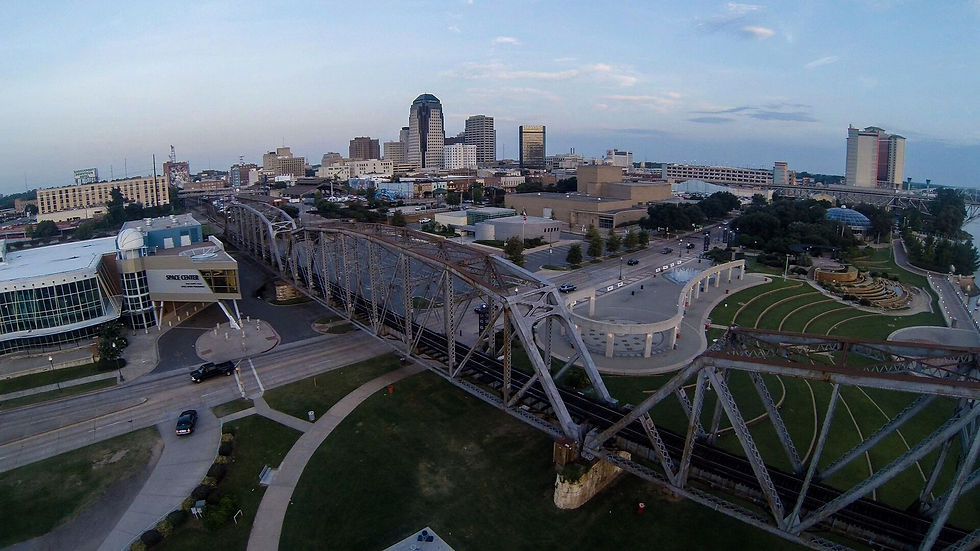
Say Shreveport and a search engine still needs a little help sorting out which one you mean. This is Shreveport, Louisiana, sitting on the Red River in Caddo Parish, a city of a little over one hundred eighty three thousand people by the most recent census figures. I am naming that plainly up front because it matters more than it sounds like it should. A searcher typing a quick query rarely specifies the state, and a cafe whose own site never says Louisiana either is leaving that clarity entirely to chance, hoping the map pin does the work its own words never did.
Once the geography is settled, the more interesting story is the scene itself. Shreveport carries a genuinely thin specialty coffee bench for a city its size, something closer to nine shops total by the most careful outside counts, and only one true roaster cafe running more than one location. That is not a knock on the city or its coffee culture, and it is not a story about a market that failed to develop. It is simply the honest starting shape of what exists here, and understanding that shape is the only way to understand how findable this scene actually is right now.
I have spent enough time looking at small coffee markets to know that a thin bench changes the math on everything that follows. In a city with forty competing cafes, one shop's weak website barely registers against the noise of everyone else's. In a city with nine, every single cafe's online presence is quietly doing an outsized share of the work for how the entire city gets described to anyone searching from outside it. That is the frame for the rest of this cluster, and it is worth sitting with honestly before getting into the specific cafes, neighborhoods, and pressures that make up the rest of the story.
A Thin Bench, Honestly Counted
Roughly nine shops across the city is a small number compared to many of the markets I have looked at, and it is worth resisting the urge to round it up or dress it up. A directory style count like this is a hedge, not a formal census, but it lines up closely with independent guides that have looked at the same market recently, which gives it real weight even without being exact. The picture that emerges is a specialty scene that is genuinely real but genuinely compact, and that compactness changes how much any single cafe's online presence actually carries for the city as a whole.
It also means there is very little redundancy built into the system. In a bigger market, if one good cafe never builds out its website, a dozen others are still competing to be found, and the searcher usually lands somewhere decent regardless. Shreveport does not have that cushion. When the specialty bench is this small, the gap between a cafe that has built real, specific online visibility and one that has not is not diluted by a crowd of competitors doing the same work. It stands out.
None of this is a complaint about Shreveport's coffee culture, which by every account I have seen is sincere, community minded, and worth taking seriously on its own terms. It is a fact about scale, and scale determines strategy. A city with nine real shops does not need every one of them to become a content machine. It needs a handful of them to close a gap that currently sits wide open, and that gap is the throughline for almost everything else in this piece.
Rhino Coffee, the Anchor
Rhino Coffee is the one true roaster cafe in this market running more than a single room, founded by Andrew Crawford back in 2012. That kind of tenure matters in a scene this size. A shop that has operated across more than a decade has weathered real change in how people order coffee, how they find cafes, and how much competition has arrived in the neighborhood, and it has done so while adding a second and, for a stretch, a third location across the city. That is a genuine sign of sustained demand for what Rhino is doing, not a fluke of timing.
What that growth also creates is a specific structural challenge worth naming clearly here, because it comes back again and again across this cluster. A cafe with rooms in different parts of a spread out city is really answering several different local questions at once: who is the best coffee near downtown, who is the best coffee near Uptown, and so on. A single shared homepage, however well designed, is not built to answer more than one of those questions with real specificity. It can describe the brand. It struggles to be the best answer for a search rooted in one particular neighborhood.
None of that erases what Rhino has built. Over a decade of roasting and serving in one city is the kind of longevity that a directory listing cannot manufacture, and it is the reason Rhino functions as the closest thing this market has to a specialty anchor. The point is narrower than a criticism. It is that growth into multiple rooms is genuinely good news for a business and genuinely creates a search problem that the business itself has to solve on purpose, because the internet does not solve it automatically.
The Rest of the Real Scene
Rhino is not the whole story here, and treating it that way would flatten a scene that is more interesting than one anchor tenant. Overflow Coffee, tucked into the South Highlands area, and Carpenter Coffee House, a genuine ministry cafe rooted in the Broadmoor neighborhood, both represent real, community rooted cafes with their own distinct identities. Neither one is a footnote to Rhino's story, and neither one should be read as a smaller version of the same idea. Each is worth understanding on its own terms.
What is genuinely interesting about these two rooms specifically is how different their reasons for existing are from each other, and from Rhino. Overflow carries a social enterprise partnership behind the counter that gives it a second identity beyond the drink itself. Carpenter is a ministry of a specific parish, built with relationships and rootedness as the actual point, not an add on to a commercial model. Later posts in this cluster take each of these stories in more depth, because they deserve more room than a summary paragraph can give them.
What connects all three of these shops, despite their real differences in size, mission, and neighborhood, is a shared pattern worth naming honestly here: none of them currently owns the search results for the exact thing they do best. That gap is not a judgment on the quality of the coffee or the sincerity of the mission behind any of these rooms. It is a straightforward, fixable pattern in how their websites are built and structured today, and fixable is the operative word.
Who Actually Owns the Best Coffee Search
Run an organic search for the best coffee in Shreveport right now and the results that come back are directories and guides, not any of the city's own cafe homepages. That includes general coffee directories, independent roast guides, and the regional tourism board's own coverage of the local coffee scene, but not a single audited cafe site claiming that space for itself. It is worth sitting with how strange that actually is once you say it plainly.
A directory can only describe a cafe in general terms, pulled from whatever public information it has managed to gather from the outside. It does not know what a regular knows. It does not know the specific story behind a cafe's sourcing, or why a particular neighborhood room feels different from its sibling across town. A cafe's own site, built with real specificity about its actual neighborhood, its actual story, and its actual hours, has a much better chance of being the thing a search engine and a real visitor both trust as the authoritative answer.
But only if that site is actually built to compete for that space in the first place. Right now, in Shreveport, none of them are, and that is exactly why the directories still hold the ground. It is not that the directories are doing anything wrong. It is that nobody with more specific, more accurate, more locally rooted information has bothered to show up and out compete them yet.
Why a Small Scene Makes This More Urgent, Not Less
It would be easy to assume that a thin market matters less for search visibility, since there is less competition to worry about winning against. I think the opposite is closer to true. In a market with only nine real specialty shops, the handful that actually invest in real, specific online visibility have an outsized opportunity to become the default answer for searches across this entire city, precisely because so few other cafes are contesting that ground.
Compare that to a market with fifty competing shops, where even a genuinely excellent website has to fight through dozens of others doing something similar. In Shreveport, a cafe that gets its neighborhood pages, its schema, and its basic technical hygiene right is not fighting through fifty peers. It is fighting through eight, most of whom have not done that work either. That is a real, structural advantage that a thin market hands to whoever is willing to claim it first.
That is the honest opportunity sitting inside this otherwise modest picture. A city this size does not need every cafe to become a content powerhouse pumping out posts every week. It needs a small number of real, specific pages, correctly built, to start closing a gap that right now belongs entirely to outside directories rather than to any of the actual cafes doing the work day in and day out.
What This Means Walking Forward
The rest of this cluster walks through specific pieces of this picture in more depth: the neighborhoods that make up Shreveport's real coffee geography, the chain pressure arriving in the form of new drive through stands, the two cafes built around a mission bigger than a transaction, and the practical gap between local journalism covering this scene and an actual marketing resource built for the people running it. Each piece stands on its own, but they all point back to the same underlying observation made here.
None of it requires treating Shreveport as a market that needs to become something it is not. It requires treating the real, specific, honestly small scene that already exists here with the same care and specificity that any larger, more competitive city deserves. The underlying problem, a directory owning the search that a cafe's own site should win, looks the same everywhere it shows up, and Shreveport is simply a clear, uncrowded place to see it plainly.
For an owner reading this and wondering where to start, the honest answer is smaller than it might sound. It does not require a rebrand or a new menu. It starts with a site that says Louisiana, says the neighborhood, and says the story in a cafe's own words, built the way search engines actually need it built rather than the way it has always been built by default.
Related Reading
More from this Hillcane city series, plus the pages on the site that sit next to the work.
What Shows Up When You Search for Coffee Shop Marketing Help in Shreveport
Southfield Road and Uptown: Where Shreveport's Coffee Concentrates
7 Brew Is Coming to Shreveport. Here's What That Actually Means for Independents.
The Ministry Cafe and the Inclusive Cafe: Shreveport's Coffee Spaces With a Second Purpose
Shreveport's Small Business Coverage Is Real Journalism, Not a Marketing Resource
Overflow Coffee and the Social Enterprise Behind the Counter in Shreveport
Shreveport's Geography Is a Content Strategy Nobody's Built Yet
What a Church Run Cafe Teaches About Building Real Community Roots in Shreveport
Bossier City Is Not Shreveport, and Neither Is Your Search Radius
Frequently Asked Questions
How many specialty coffee shops does Shreveport actually have?
Careful outside counts put the number at roughly nine shops across the city, a genuinely thin but real specialty bench for a city of this size. That figure is a directory style estimate rather than a formal census, but multiple independent sources land close to the same number, which gives it real weight even without being exact.
Is Shreveport, Louisiana the same as any other city named Shreveport?
Shreveport, Louisiana sits on the Red River in Caddo Parish and is the only Shreveport most searchers mean when they type the name. Naming the state clearly on a cafe's own site helps make sure a search engine and a visitor both land in the right place without any ambiguity.
Who is the main coffee roaster in Shreveport?
Rhino Coffee, founded by Andrew Crawford in 2012, is the one true roaster cafe in this market currently operating more than a single location, making it the closest thing Shreveport has to a specialty coffee anchor after more than a decade in business.
What other coffee shops are worth knowing about in Shreveport?
Overflow Coffee in the South Highlands area and Carpenter Coffee House in Broadmoor are two other genuinely real, community rooted cafes with their own distinct identities, each covered in more depth elsewhere in this research rather than treated as a footnote to a bigger name.
Who currently shows up when someone searches for the best coffee in Shreveport?
Directories, independent guides, and regional tourism coverage currently dominate that search, not any individual cafe's own website. No audited cafe homepage in this market currently owns that specific search, leaving outside sources to answer a question the cafes themselves are best positioned to answer.
Does a small coffee scene mean online visibility matters less in Shreveport?
The opposite is closer to true. In a market with only a handful of real specialty shops, a cafe that builds real, specific online visibility has an outsized opportunity to become the default local answer, precisely because so little other genuine competition exists for that same space.
Why does Rhino Coffee's growth to multiple locations create a search challenge?
Each of Rhino's rooms sits in a genuinely different part of the city, and each deserves its own specific answer to the search someone runs near that exact address. A single shared homepage has a harder time doing that job well for more than one neighborhood at once.
Is this research suggesting Shreveport's coffee shops are doing something wrong?
No. This is a description of a fixable pattern in website structure, not a judgment on coffee quality or business sincerity. The gap between a real, good cafe and a cafe that shows up in search is a technical and structural one, not a quality one, and it is worth treating it that way.
What would actually close the gap between directories and cafe websites in Shreveport?
A small number of real, specific pages, built around each cafe's actual neighborhood, story, and hours, built with the technical basics search engines rely on, would meaningfully shift which sites are trusted to answer local coffee searches in this market.
How can Hillcane help a Shreveport coffee shop with this kind of visibility work?
Hillcane can help build the specific, well structured pages that give a cafe a real chance at owning its own local searches. Reach out at hillcane.co/contact or call (256) 384-2449 to talk through what that would look like for a specific shop.
Work with Hillcane
Shreveport has a real, thin coffee scene, and right now outside directories are answering the searches its own cafes should be winning for themselves.
If your Shreveport coffee shop wants to close that gap, reach Hillcane at hillcane.co/contact or call (256) 384-2449.
Reach out at hillcane.co or (256) 384-2449.


Comments